
Financial State of Therapy Practice in India
Is a career in psychology sustainable in 2026?
Based on real facts and interviews with therapists

1 Executive Summary
India’s therapy ecosystem is growing, but financial sustainability for therapists remains fragile.
Drawing on Zensible’s national survey, Raising Family Academy’s historical data, and therapist interviews, the report reveals a clear pattern. Therapists are building meaningful careers in a system that lacks financial structure, consistency, and support.
Most therapists earn through a mix of private practice, salaried roles, and a portfolio of other roles with early-career professionals facing low starting salaries (₹1 - 3.5L annually) and limited job opportunities. As a result, many move into private practice early, often without the financial or operational knowledge to sustain it.
At the same time, for private practitioners, pricing is shaped less by market data, but more by emotional and cultural factors, including guilt, fear of losing clients, and lack of official benchmarks. This leads to underpricing, inconsistent income, and higher caseload pressure, increasing the risk of burnout.
A critical but overlooked factor is the true cost of being a therapist. Expenses such as supervision, personal therapy, and unpaid administrative work are not accounted for resulting in low financial visibility and reduced profitability.
Despite these challenges, most therapists choose to stay in the profession, driven by purpose, impact, and personal meaning. However, this passion often deepens rather than resolves systemic gaps.
This report aims to show these financial realities, highlight systemic gaps and forge a pathway for navigating this to make the passion meet sustainability.
2 Methodology
The report uses a mixed-methods approach combining qualitative interviews with quantitative data from both a primary survey (led by Zensible) and a partner-led (Raising Family Academy) to understand the financial and structural realities of therapy practice in India.
2.1 Data Collection
A. Primary Survey
A structured survey was administered to 115 respondents, capturing quantitative inputs on session pricing, client load, income ranges, and practice patterns across 25 questions. Responses from survey takers who were either not an Indian national or from mental health background who is currently not practicing, have been removed from this list.
B. In-Depth Interviews
We conducted semi-structured interviews with 10% of the survey respondents, spanning early-career to experienced practitioners across private practice and organisational roles. These interviews explored lived experiences and career decisions related to income, pricing and caseloads, along with their personal take on sustaining their therapy practice.
C. Partner Survey
To strengthen the dataset for comparison, we incorporated responses from a partner organisation’s survey with 170 therapists, expanding coverage across geographies and practice types. This helped validate trends observed in the primary dataset and improve directional reliability.
2.2 Participant Profile
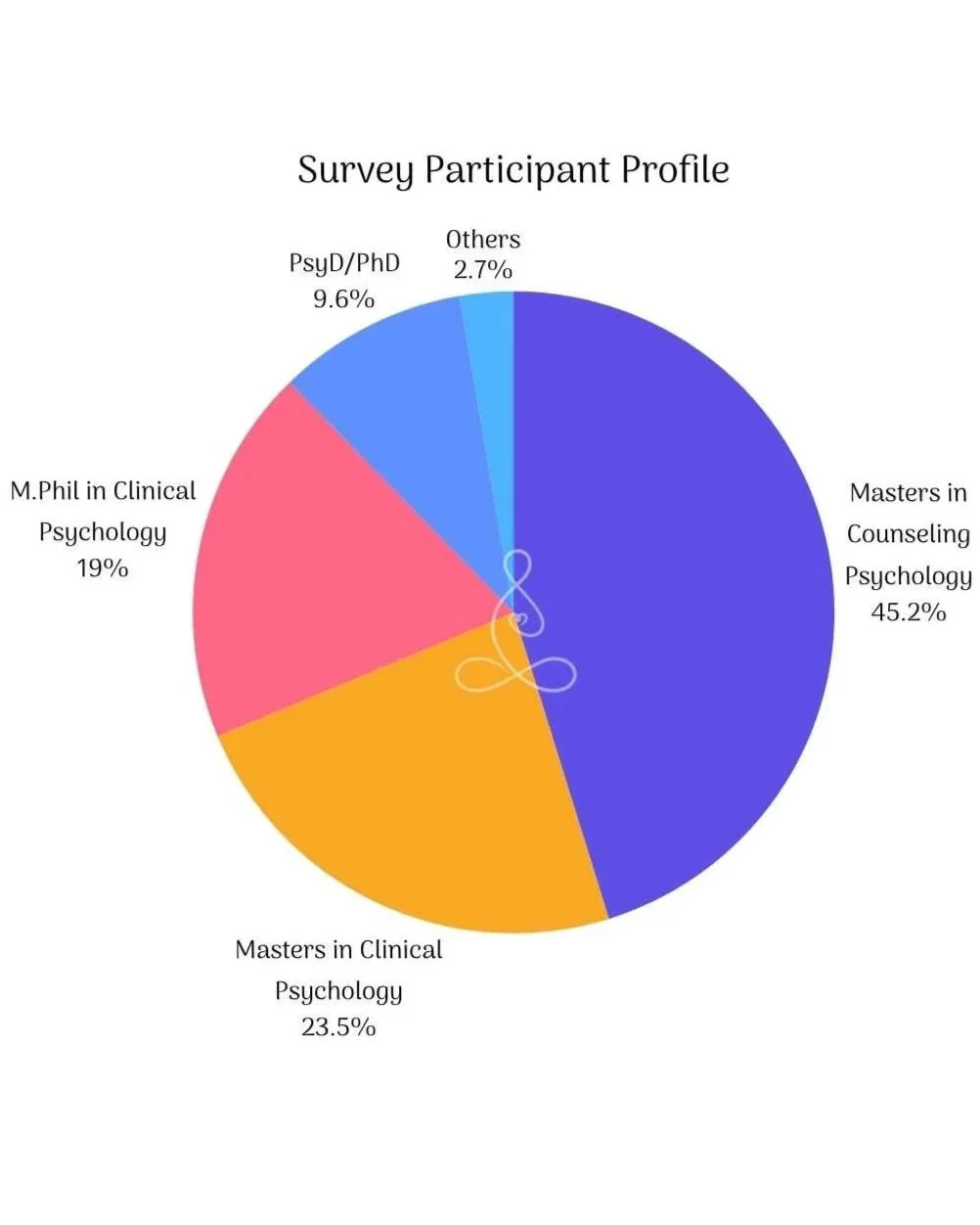
Across interviews and surveys combined, respondents represented a mix of qualifications
Counseling Psychologists with masters degree
Clinical Psychologists with masters degree
Clinical Psychologists with M.Phil
Post Doctoral either in PsyD or PhD
Others such as a degree in Social Work or a Diploma or Certification
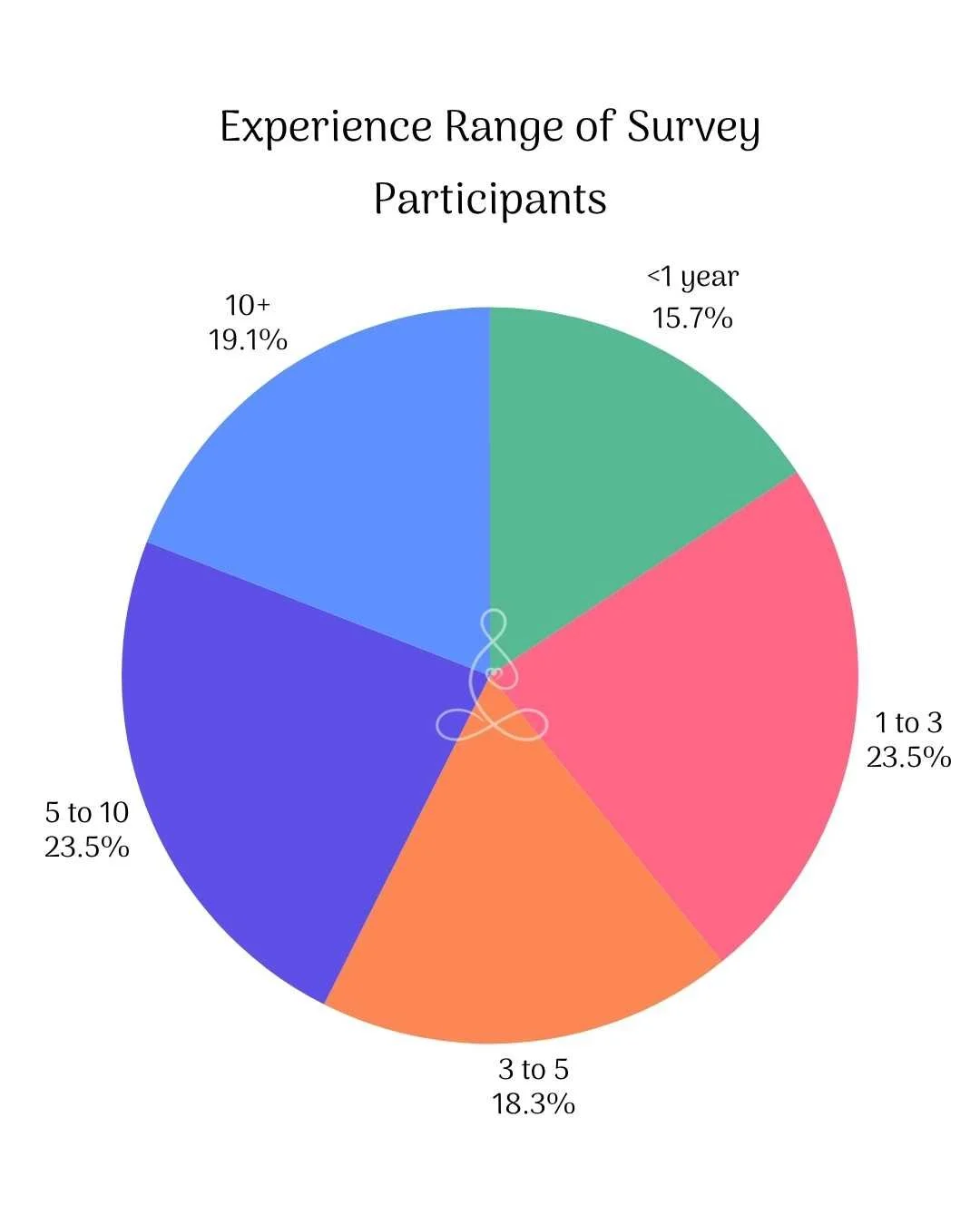
Participants also come across a wide range of experience levels who are working in,
Private practice (full/part time)
Hospitals and clinics
School or College Counselors
NGOs or Group Practices
Governmental Work
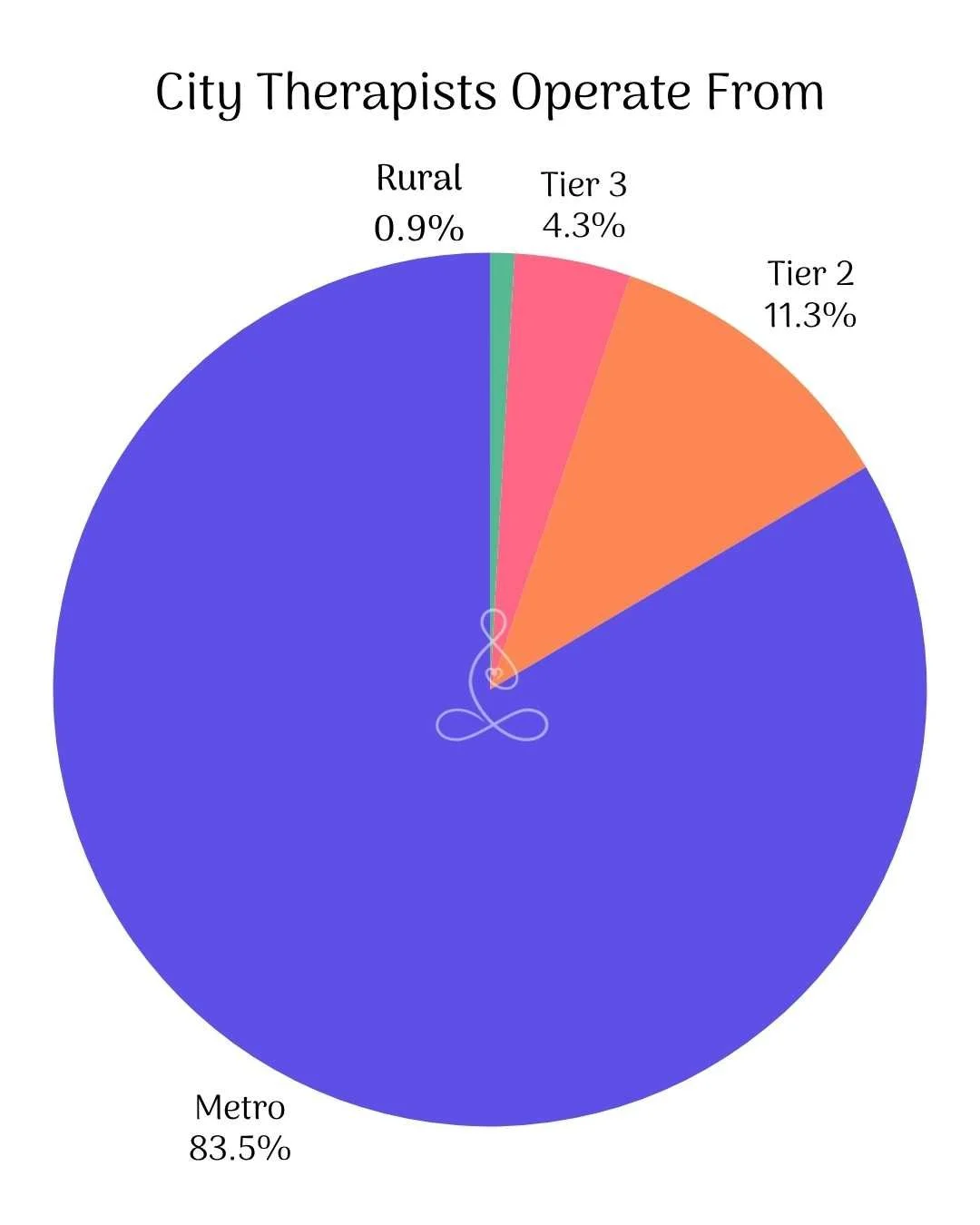
Despite our best efforts, most of our survey respondents were predominantly from Tier 1 / Metro regions. We are yet to determine if this is the natural distribution or if our survey could reach only those in these region because it was promoted on social media.
2.3 Analysis
Quantitative Analysis
Survey data (both primary and partner) was aggregated to identify trends in,
Session fees and pricing ranges
Monthly caseloads
Estimated income bands
Financial stability
Findings are presented as directional insights and ranges, acknowledging variability across geographies, experience levels and practice models.
Qualitative Analysis
Interview transcripts were analysed using thematic analysis. Responses were coded to identify recurring patterns across
Income and pricing dynamics
Reasons for leaving salaried roles
Non-quantifiable costs of private practice
Gaps in education and systemic challenges
Given that many insights were implicit, we used an interpretive lens to cluster responses into broader themes such as emotional cost, conflict and structural gaps in the ecosystem.
Limitations
As mentioned before, the sample is not fully representative of all therapists in India, particularly those in rural or under-resourced settings.
Collected data is self reported and may vary in accuracy.
The survey did not capture whether caseload number is driven by practitioner’s choice or constraints in attracting clients.
Partner survey methodologies may differ slightly, though care was taken to align and interpret overlapping variables.
2.4 How to Read this Report
The report is quite extensive, so we encourage readers, especially on the website, to navigate using the links in table of contents at the top of this page and use the ↑top button on bottom right corner to scroll back up.
Many subsections have an area preceded by 💡emoji, which denotes specific insights we want to highlight about that subsection.
Each section also has a What Does This Mean section, which is the report writer’s personal inferences or summary based on the facts within that section.
All charts are a combination of data derived from Zensible and partner’s survey.
All word clouds are data derived from our interviews.
Quotes taken verbatim from our interviews are denoted “like this” within the report.
References are provided as links within the report.
2.5 About the Author
The survey questionnaire and the resulting report was written by Vedha Bharathi. She also personally conducted all the interviews. Vedha is a technologist turned aspiring psychologist, who is currently, at the time of publishing this report, doing her bachelor’s in counseling psychology. She is also the founder of Zensible. If you have any questions or comments, you can reach out to her at hello@zensible.in.
3 Who is the Indian Therapist?
If you are looking only at degrees and years of experience, the Indian therapist appears well-qualified, motivated, and deeply committed to their work, but when you layer in financial realities and lived experiences, a more complex picture emerges, one where passion coexists with uncertainty, and expertise coexists with structural gaps.
3.1 A Snapshot of the Indian Therapist
Based on Zensible’s survey and Raising Family Academy’s dataset,
There is a surge of early to mid-career professionals, in recent times
A majority hold postgraduate degrees in psychology
A significant portion operate in urban or metro cities, but increasingly serve clients remotely, i.e., online.
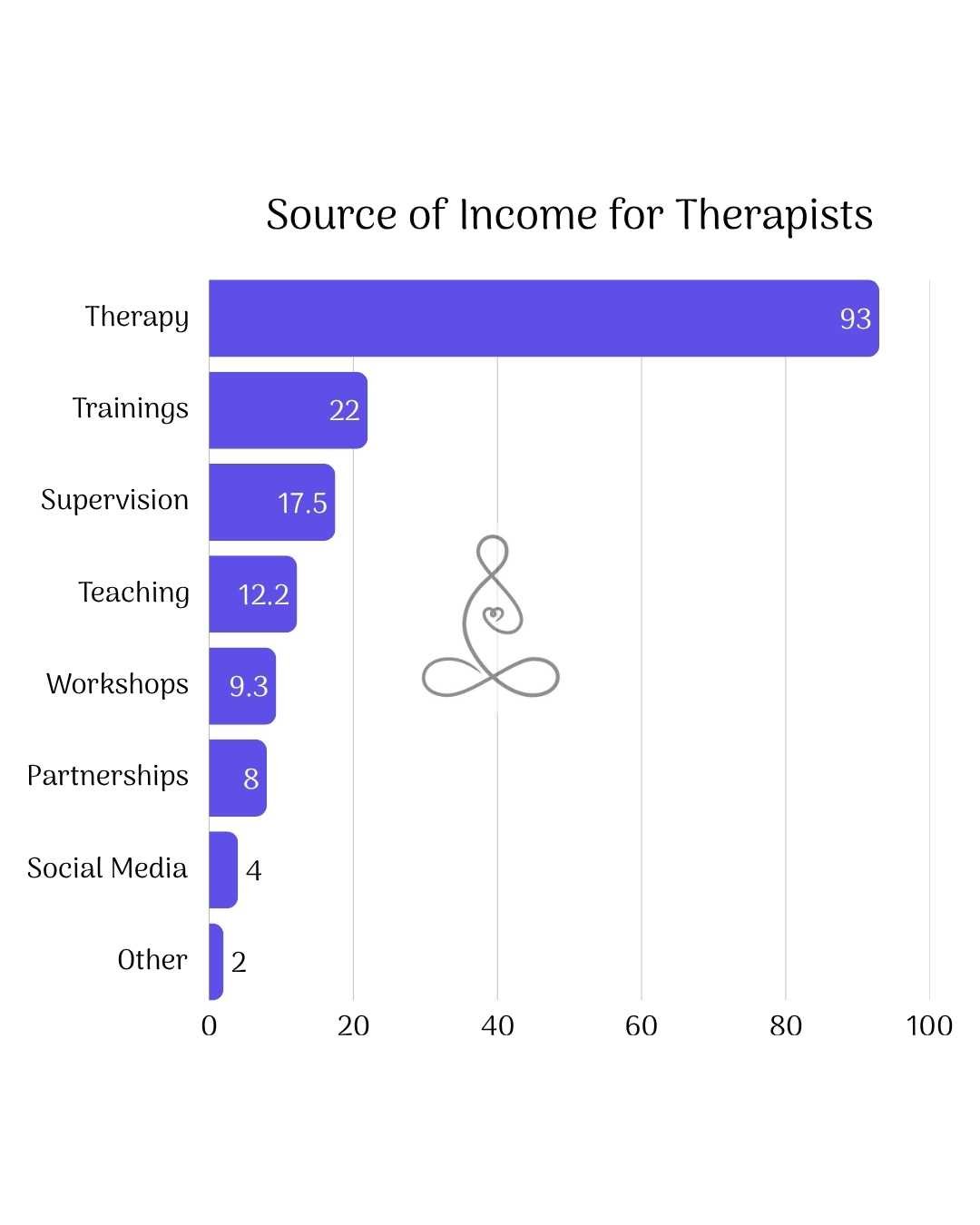
Many therapists are not exclusively in private practice. They combine,
Therapy (including supervision)
Workshops
School or College Counseling
Corporate EAP sessions
Academic or training roles
💡
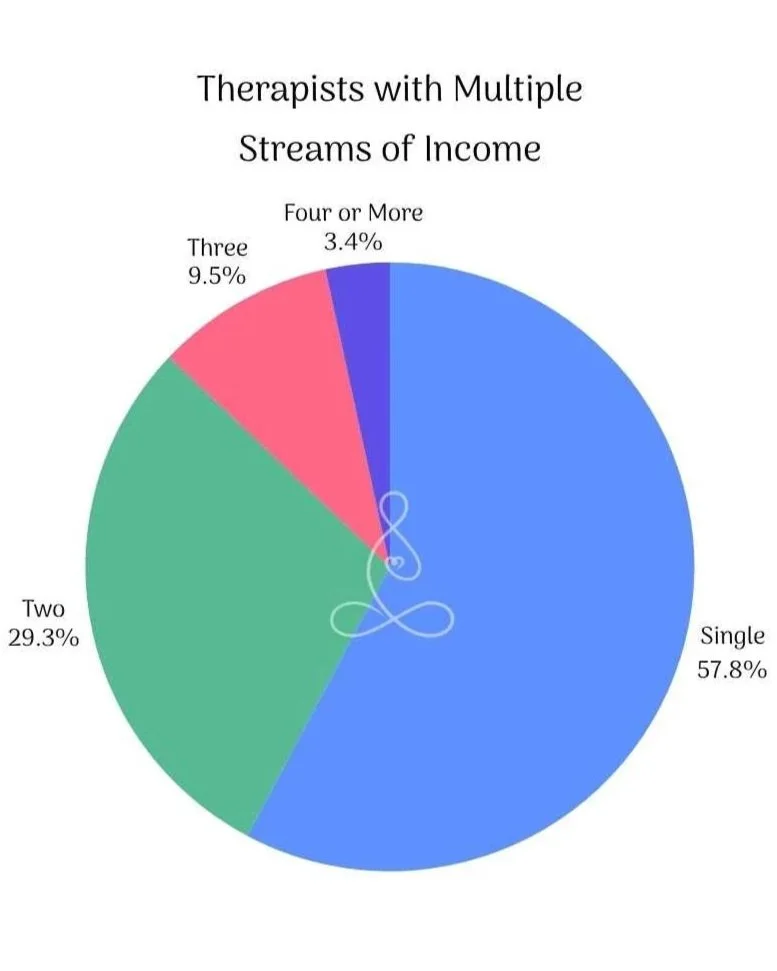
Therapy in India is rarely a single-income profession, it is often a portfolio career of multiple streams
3.2 The Four Types of Indian Therapists
Interviews with therapists reveal that financial behaviour, stress, and growth are better understood through patterns of practice, not just specialties or modalities.
a. The Struggling Starter - These therapists are typically early in their career, building a client base while navigating self-doubt and session pricing anxiety.
They charge sessions on the lower end of the spectrum
They are hesitant to increase fees
More often than not, dependent on family or secondary sources of income
“I know I should charge more… but I don’t feel confident enough yet.”
b. The Burnt-Out Full-Timer - A therapist, irrespective of their experience level, who has built a steady client base but at the cost of emotional and financial sustainability.
Fairly high weekly caseload
Lower price per session or limited financial flexibility to reduce caseload
Experiences fatigue and emotional fatigue and emotional drain
“There’s only so many clients I can see in a day before I feel exhausted.. but that also limits my earnings.”
c. The Niche Premium Therapist - A growing segment of therapists with
Clear specialisation (couples therapy, LGBTQ+ support, sexual health, workplace health, etc.)
Higher per session fees
More structured practice
“Once I found my niche, it became easier to price my work with confidence.”
d. The Portfolio Therapist - These therapists are usually mid-level to experienced thera-preuneurs who balance multiple roles beyond therapy to ensure income stability.
They combine therapy with corporate workshops, run training courses, public speaking opportunities or advise mental health startups.
Their incomes are augmented with different avenues.
“Therapy is one part of what I do. I rely on workshops and other work to balance things out.”
💡
Years of experience is not the differentiator but the clarity in approach determines where therapists fall into any of these category.
3.3 An Entrepreneurial Profession Without Business Training
Across Zensible’s interviews and supported by industry perspectives, therapists receive extensive clinical training, but little to no preparation for,
Session Pricing
Financial Planning
Practice Administration
Attracting clients or marketing
Business Mindset
“We are taught how to help clients, not how to run a practice.”
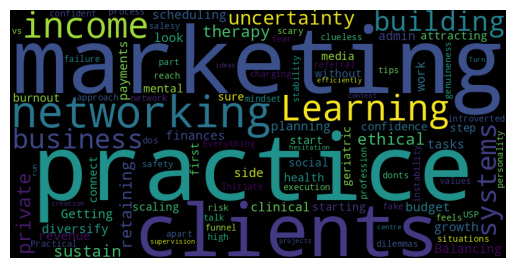
What therapists mentioned they wished their college taught them, as part of their course work
💡
The Indian therapist is often expected to function as - A clinician, a business owner and an administrator… without formal training for the latter two.
3.4 What This Means
The Indian therapist is highly qualified, deeply motivated and emotionally invested, but also financially uncertain, structurally unsupported and operationally overloaded.
4 Income Reality: Work Opportunities & Earning Pathways
For most professions, income follows a predictable path…
Education → Entry-level job → Gradual growth
For therapists in India, that pathway is far less defined. Instead, early-career psychologists enter a system where jobs are limited, pathways are unclear, and income varies dramatically depending on the role they land on, or create for themselves.
4.1 The First Reality - Good Jobs Are Hard to Find
For many fresh graduates, the transition from training to work is not smooth. As identified in conversations with practitioners, campus placements are almost negligible. Many organisations hesitate to hire freshers and graduates often feel underprepared despite formal education. Even when they hire, the salary is very less for the work they are asked to perform.
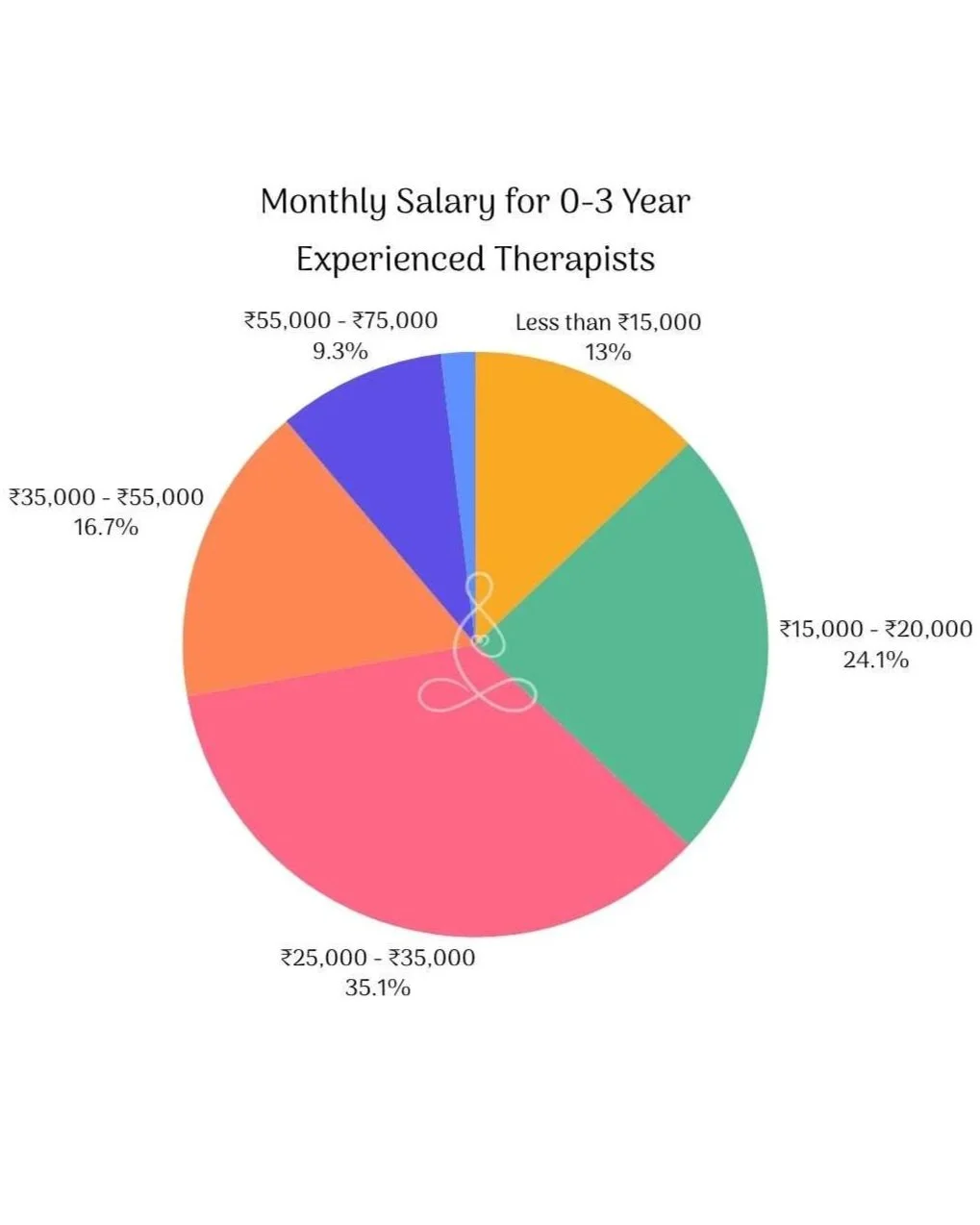
This creates a difficult starting point. Therapists are not fully ready for private practice yet and at the same time also struggle to find structured employment.
“Finding jobs is not easy, especially right after masters.”
💡
The therapy profession in India does not have a financially viable entry pathway, forcing early-career therapists to navigate uncertainty from the start.
4.2 What Jobs Actually Pay
Research across Naukri, Indeed and SalaryExpert, along with data from surveys and interviews reveals a wide range of opportunity for psychologists, but there is also a consistent pattern. Entry-level earnings are modest, even for highly skilled professionals. Given below is a comparison of annual salaries for psychology graduates across different institutions based on years of experience for different roles.
a. Early Career (0-3 years)
Special Educator: ₹0.78L - ₹4L
First Responders: ₹2.5L - ₹2.75L
Social Worker: ₹2L - ₹3.25L
School Counselor: ₹2.25L - ₹3.5L
Counseling Psychologist: ₹1.5L - ₹3.5L
Clinical Psychologist: ₹1.5L - ₹4L
Sports Coach: ₹1.2L - ₹2.4L
The following are not technically therapy related jobs, but the following pays slightly better, as they come under the UGC pay guidelines.
School Teacher: ₹4.5L - ₹5.4L
College Professor: ₹4.5L - ₹8.4L
b. Mid-Level (3-6 years)
Training Instructor: ₹4L - ₹6L
Counseling Psychologist: ₹4L - ₹7L
Clinical Psychologist: ₹3.5L - ₹4.8L
Couple’s Therapist: ₹3.5L - ₹6.5L
School Teacher: ₹3.8L - ₹6.3L
College Professor: ₹5L - ₹12L
c. Senior Roles (8+ years)
Counseling Psychologist: ₹4.2L - ₹8.8L
Clinical Psychologist: ₹10L - ₹17L
Special Educator: ₹8L - ₹13L
At the senior levels, income increases, especially for clinical psychologists and special educators, but these roles are limited in number and they often require specific industry affiliation and additional specialisations.
💡
High-paying roles do exist, but they are not accessible due to heavy competition or do not have good work-life balance for most therapists.
4.3 The Shift Toward Private Practice
Given these constraints, many therapists move toward private practice often earlier than expected. From our survey data, more than 50% of therapists are in private practice. Even among those, ~60% started immediately after their master’s degree.
This is a critical shift. Private practice is no longer just a long-term goal for many, it is increasingly the default pathway.
“A lot of people don’t choose private practice, they end up there because jobs don’t work out for them.”
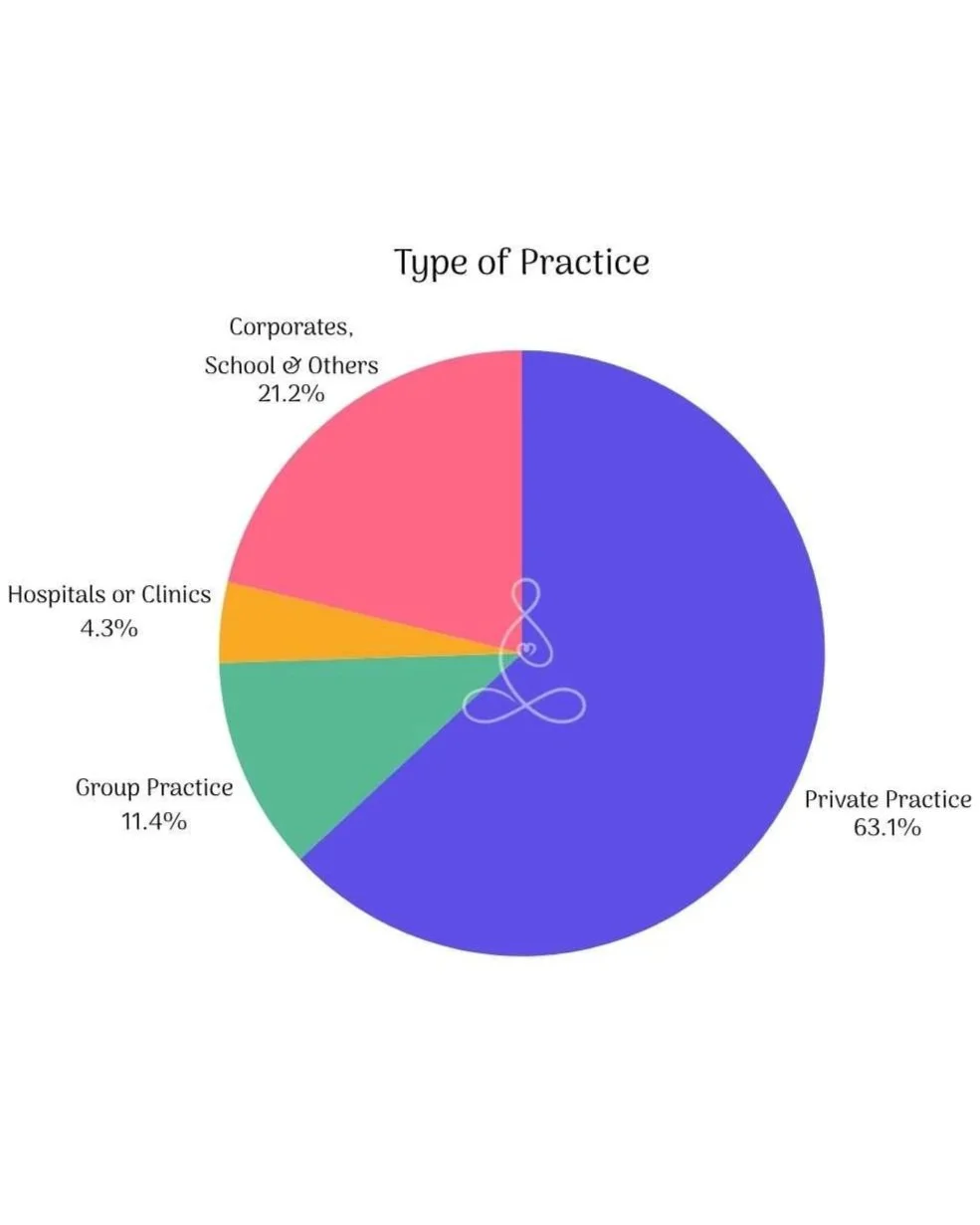
💡
Private practice is often a structural necessity, not just an entrepreneurial choice.
4.4 Why Therapists Leave Jobs?
Even among those who begin in salaried roles, many transition out. Common reasons include,
Low pay relative to workload
Poor organisational culture
Limited practical exposure
Exploitative conditions
“I tried working in an organisation, but the pay and environment didn’t feel sustainable.”
This reinforces a pattern that jobs provide entry to therapists, but are too unsustainable financially and mentally to retain them. There is, of course exceptions, but those balanced positions are difficult to find, as they are taken up as soon as they open up.
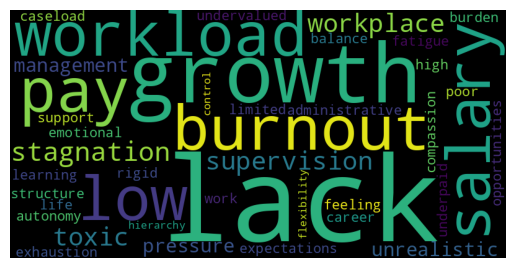
Responses from therapists on why they left their salaried job
💡
The system struggles not just to hire quality therapists but to retain them.
4.5 The Rise of Portfolio Careers
An emerging trend is the move toward multi-source, portfolio careers. Instead of choosing one path, therapists increasingly combine,
Private Practice
Workshops and training cohorts
Corporate workshops
Teaching and supervision
Work with mental health product startups
“I’m a therapist, but also run cohorts and work with corporates. It all feeds into a strong referral pipeline loops. ”
4.6 What This Means
The Indian therapy profession operates within a landscape that is under-structured, still rapidly evolving and currently heavily self-navigated. As a result, therapists are building careers without clear templates, private practice is becoming more common but without support systems, and income remains inconsistent and highly variable.
One thing to take away for therapists is that, they need to learn to navigate a fragmented ecosystem of jobs, opportunities and trade-offs, where income is shaped as much by the system as by the individual.
5 Pricing: The Emotional Economics of Therapy
If income defines sustainability, then pricing defines that possibility. In India, pricing a therapy session is rarely a straightforward financial decision. It is deeply emotional, ethical and cultural.
5.1 What Therapists Charge Today
Based on Zensible’s survey data,
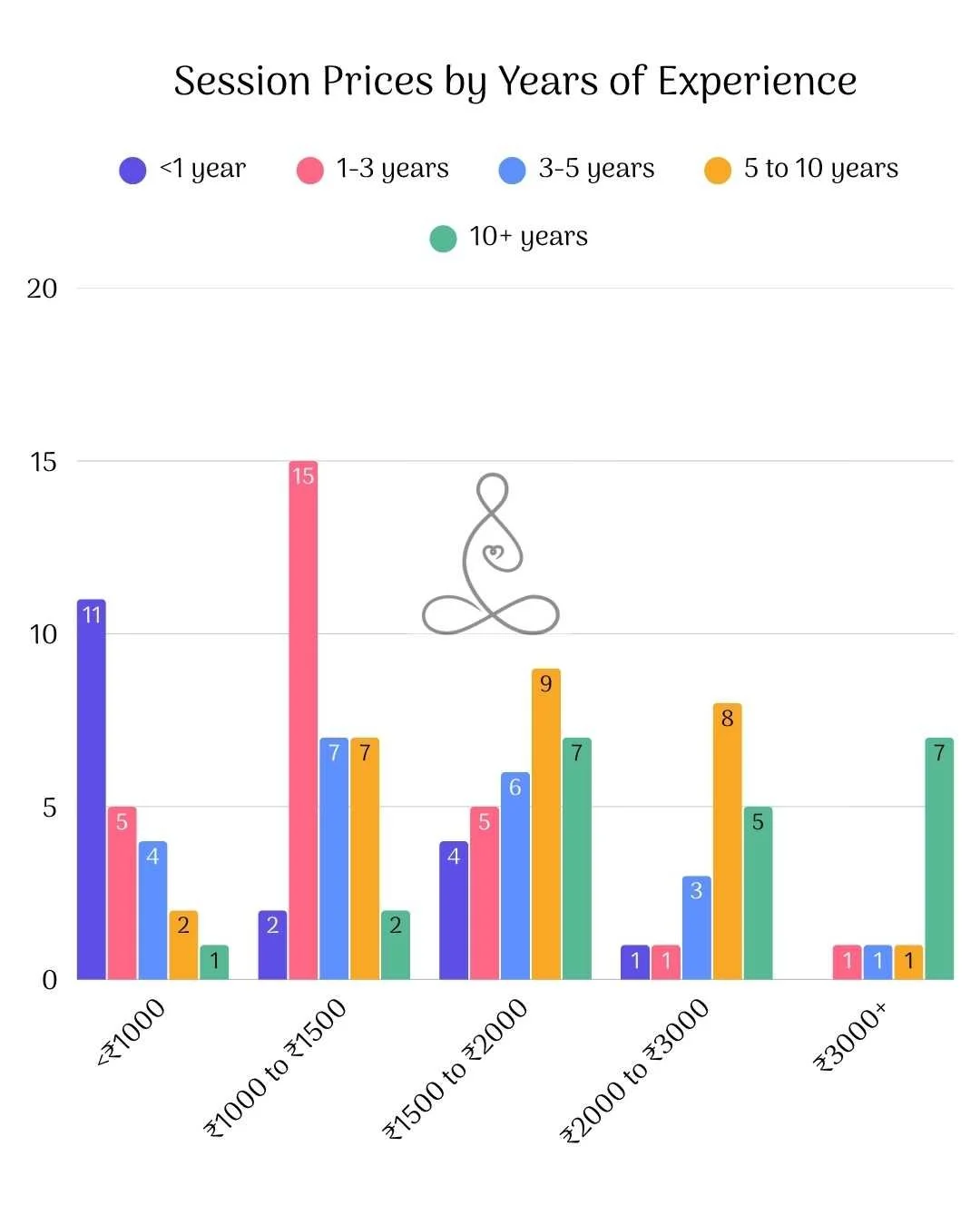
Session fees vary widely, from ₹500 to ₹3000+
A large proportion of therapists cluster in the ₹1000 to ₹1500 price range
Early-career therapists are significantly more likely to charge lower fees or offer discounts or sliding scale
Experienced therapists also charge low for their sessions, but they mostly fall under the doing for passion or working for NGO scenario.
💡
There is no standardisation, leading to wide variability, even among therapists with similar qualifications.
5.2 Pricing Is Not Just Financial. It’s Emotional
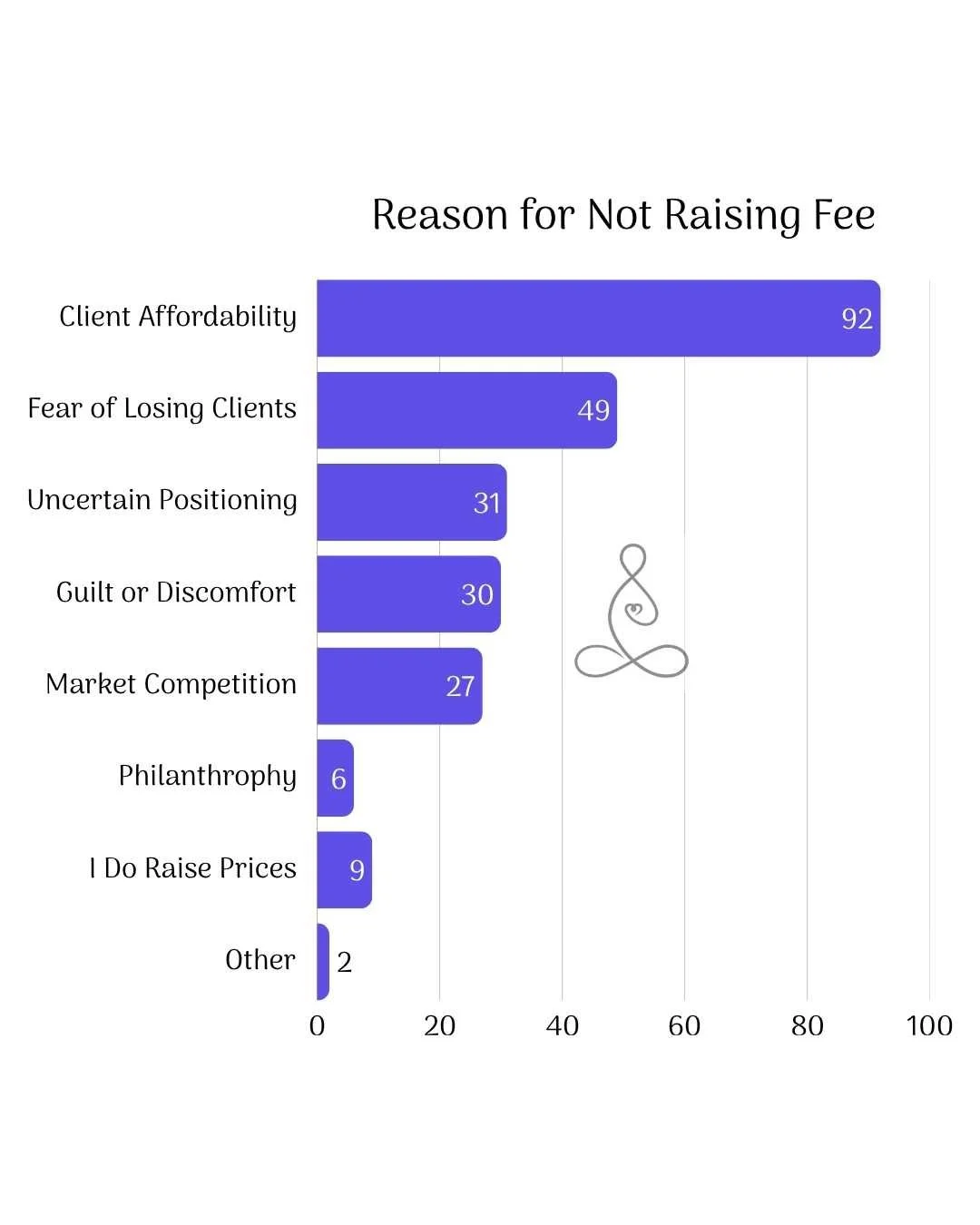
Across interviews and survey responses, one theme came up repeatedly. Therapists struggle to talk about money. This is also echoed in our interviews, where fee conversations are often described as awkward, uncomfortable, and sometimes avoided altogether.
“Even when I know my worth, saying the number out loud feels uncomfortable.”
“I worry that if I increase my fee, clients might stop coming”
a. The Guilt Factor
Unline other professions, therapy needs to balance trust and money. Many therapists expressed discomfort with the idea of insisting on a price, when somebody is already struggling.
This leads to underpricing, overuse of sliding scales and difficulty enforcing boundaries.
b. The Fear of Losing Clients
In an unstructured market like India, there is no benchmark pricing, clients often compare across therapists, especially on session prices, making price sensitivity in attracting clients really high.
As a result therapists hesitate to increase fees and many delay fee revision for years.
c. Regional and Experience Based Gaps
The data shows a clear pattern, that therapists in metro regions tend to charge higher and more experienced therapists charge more. But these are not proportional. There is no discerning pattern to the pricing.
Even if we understand that region centric-pricing does not make sense in an increasingly online world, the increase in prices do not correlate to years in practice. It could be due to specialisation and this report did not collect that data, something we’ll consider in the next iteration.
d. Sliding Scales and Informal Adjustments
A significant number of therapists offer sliding scale pricing and adjust fees case-by-case. While this improves accessibility, it also creates income unpredictability and emotional burden in decision-making.
Many therapists do not have a set boundary to the number sliding scales they’d offer or discount percentage they can give proportional to their income. Without proper structure, generosity can become financial strain.
5.3 Caseload and Pricing
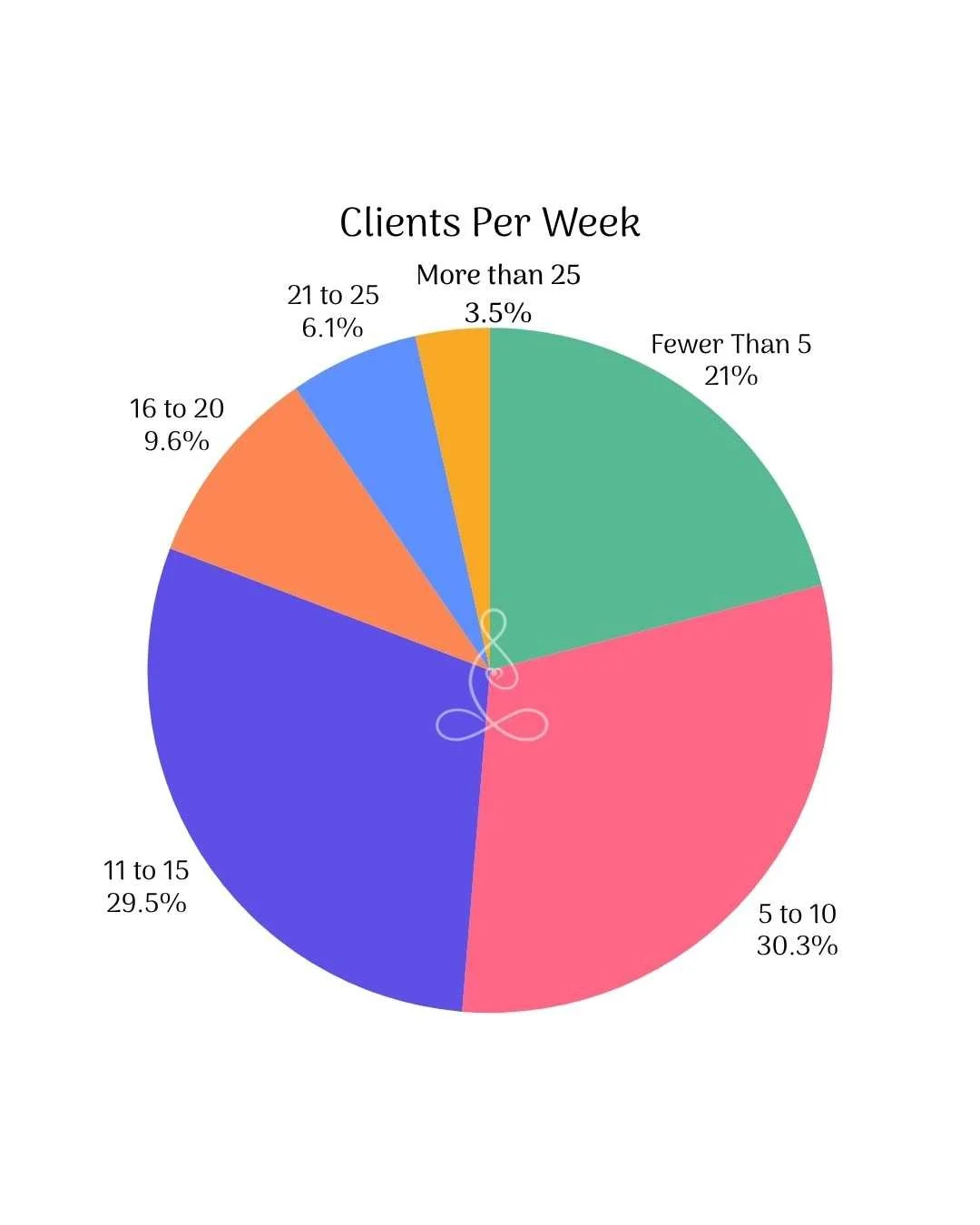
Pricing and caseload are deeply interconnected, yet often analysed separately. Our survey data shows that most therapists see 10-15 clients per week, with a smaller group operating at higher volumes and a larger segment at lower caseloads.
At a surface level, this variation may appear to reflect personal choice. However, when viewed alongside pricing and income patterns, it becomes clear that caseload is shaped by two key forces,
Pricing Decisions - lower fees often require therapists to take on more clients to meet income goals, increasing workload and burnout risk
Client Demand - lower caseloads may reflect difficulty in attracting or retaining clients, especially in early-stage practice
This creates a dual pressure,
Low pricing can push therapists toward unsustainably high caseloads
Fluctuations in demand can result in unsustainably low income
We want to highlight an important limitation of our current data. It does not distinguish between intentionally reduced caseloads. It remains unclear whether therapists are
Choosing their caseload based on capacity and personal preference, or
Operating below (or above) their ideal due to external constraints such as demand or financial pressure
We hope to rectify this gap in the next iteration of this report.
💡
Sustainable practice lies not in maximising sessions, but in balancing caseload, pricing, and demand.
5.4 The Impact on Sustainability
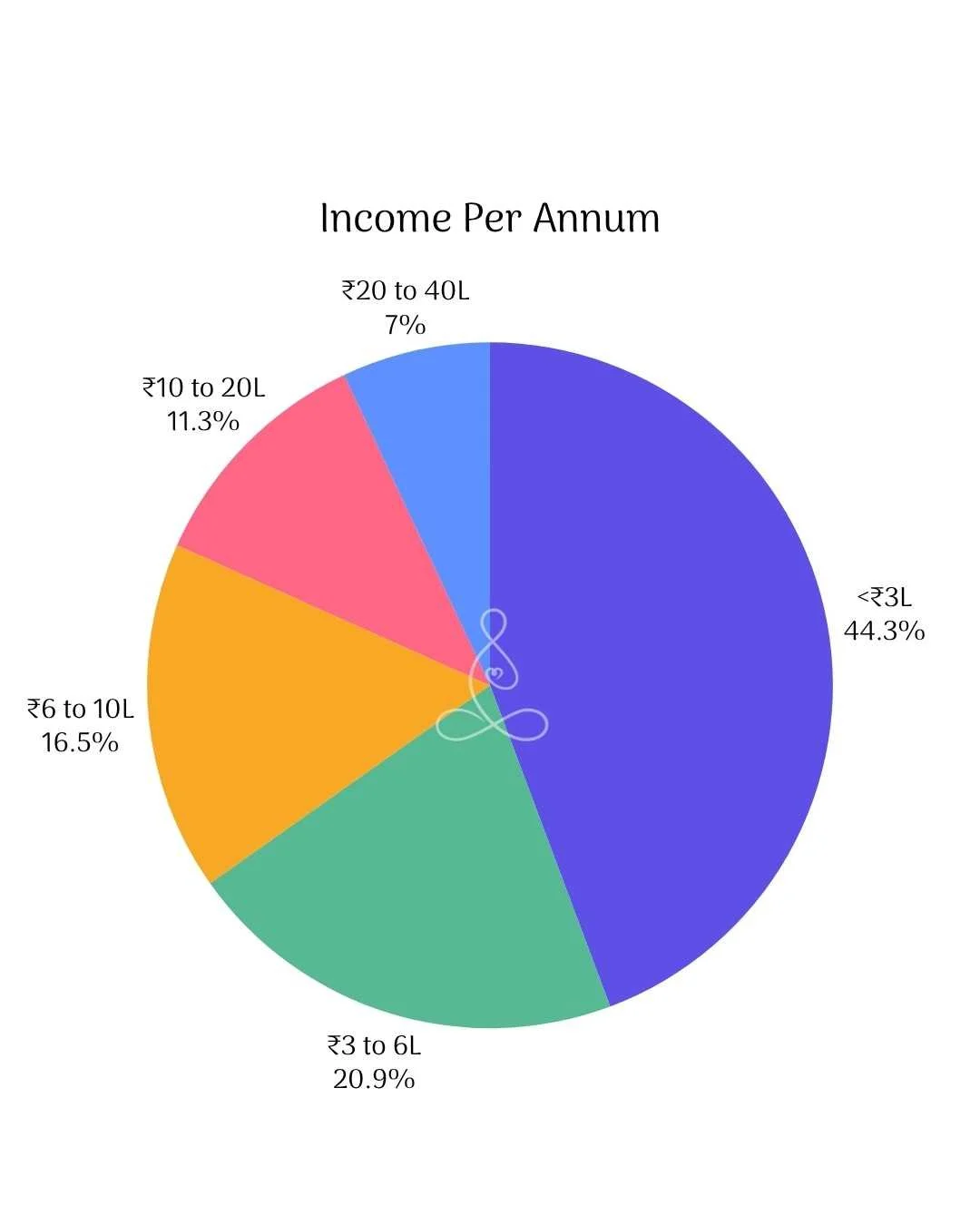
Despite maintaining a steady flow of clients, a majority of therapists report earning ₹3L or less annually, highlighting how low pricing and high non-billable work significantly limit overall income. This suggests that client volume alone does not translate into financial sustainability.
Based on our interviews and information from market research, therapists are not trained in pricing models or financial planning. There is little guidance available to them on cost vs value based pricing or tiered pricing models. In Indian context, this creates a vicious cycle,
Lower Income → Higher Case Load → Emotional Exhaustion → Reduced Practice Longevity
Pricing needs to be a more methodical concept, based not just on experience or specialty, but also on expenditures, cost of living etc. For those who are reading this report and want to ensure they use a structured calculation framework to calculate their pricing, please use Zensible’s therapy pricing calculator.
💡
Pricing is not just a revenue decision. It is a sustainability decision.
5.5 What This Means
The data and interviews point to a clear pattern, therapists are not pricing based on value. They are pricing based on their comfort level, fear and perceived affordability.
In India, therapy pricing is not a market-driven system, it is a human one. And until therapists are equipped to navigate this intersection of care and commerce, financial sustainability will remain out of reach.
6 Expenses & Financial Blind Spots
For many therapists, income is the most visible part of their practice. Fees are set, sessions are conducted, and payments are received. But what often remains unclear, and sometimes completely untracked, is what it costs to run a therapy practice.
This gap between earning and understanding expenses creates one of the most significant blind spots in financial sustainability.
6.1 Cost to Run a Therapy Practice?
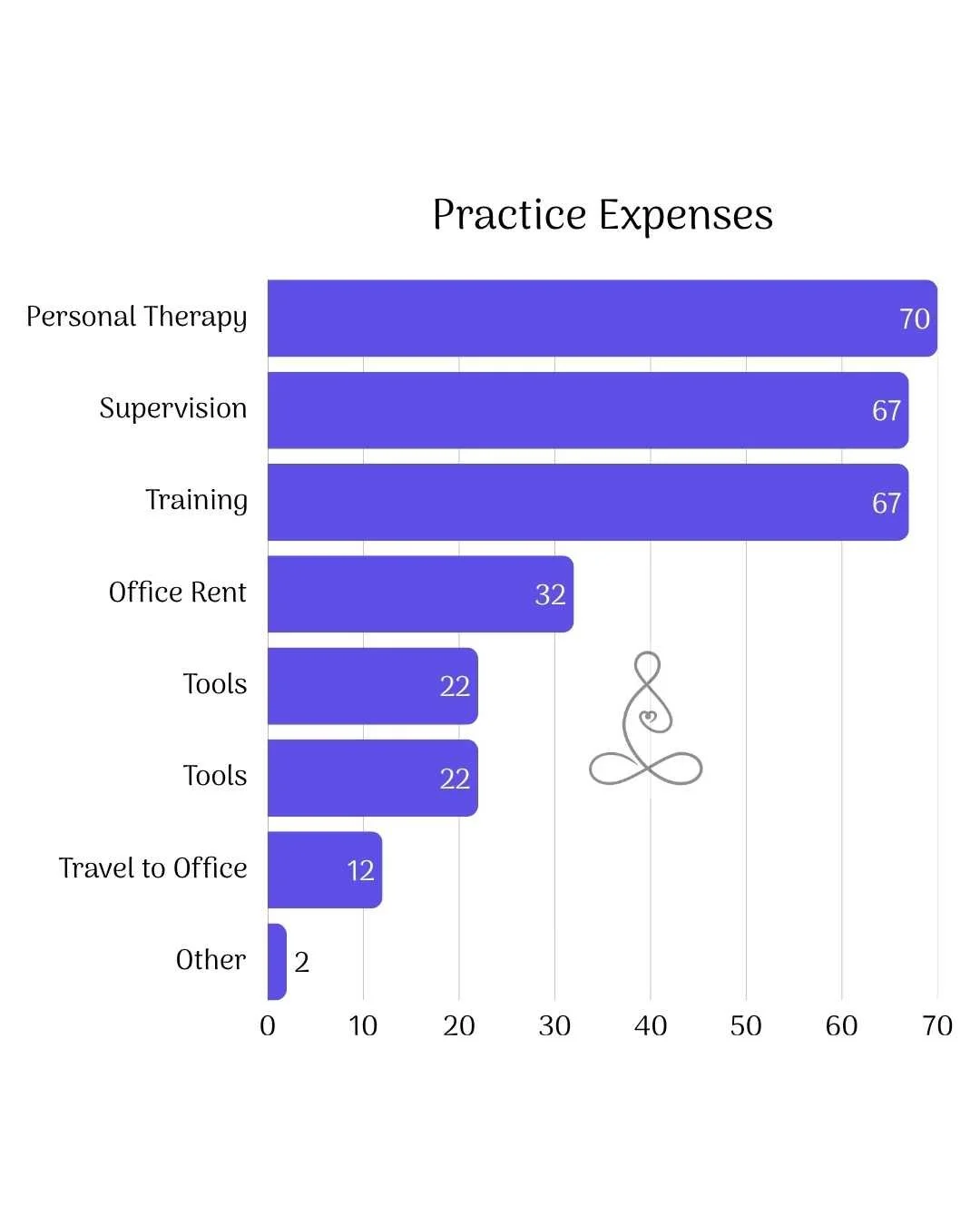
Based on Zensible’s survey responses, therapists report spending across several categories,
Commission to online platforms and tools
Marketing and client acquisition
Supervision and personal therapy
Training and certifications
Administrative support (if any)
Rent or space (for offline practice)
While some of these resemble typical business expenses, others, particularly supervision and personal therapy, are unique to this profession.
💡
A therapist’s expense structure includes not just operational costs, but costs of staying ethical, effective and emotionally available
6.2 The Unique Cost of Being a Therapist
Unlike many professions, therapists are expected to continuously invest in their own mental and professional well-being. This includes,
Supervision to ensure quality of care and ethical practice
Personal therapy to process their own emotions and avoid spillover into client work
“Supervision and my own therapy are non-negotiable for me, but they are also a significant monthly expense.”
Many therapists we spoke to do not consider their own therapy as part of their practice expense. These are not optional add-ons. They are core to responsible practice. And yet, they are often not factored into pricing decisions, viewed repeatedly as a personal rather than professional expenses and absorbed silently without financial planning.
💡
Therapists are one of the few professionals who must pay to sustain their ability to work effectively.
6.3 The Missing Monthly Expenses
A recurring pattern across our interviews was the absence of a clear answer to a simple question, “What are your total monthly practice expenses?”
“I’ve never really calculated everything together. I just know roughly what I spend.”
Without this clarity, profitability becomes difficult to asses, pricing decisions are made on improper assumptions and financial planning becomes reactive rather than intentional.
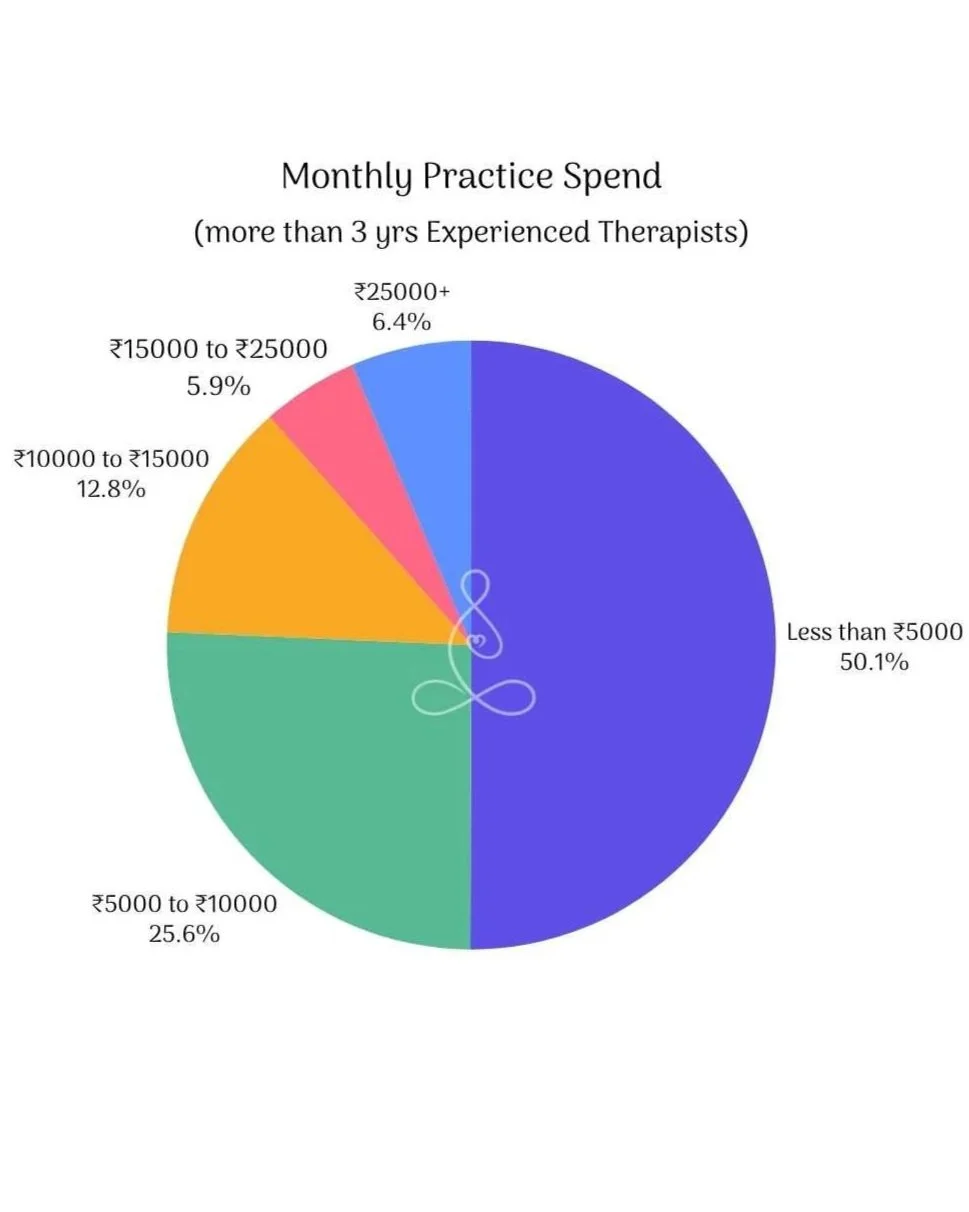
The chart on Monthly Practice Spend has non-supervision or personal therapy expenses only and we’ve included only expenses from therapists who have over three years of experience, as early career therapists are likely to wing it instead of spending on tools. In spite of this, we see a fair number of therapists have high expenses.
On average about 15% of therapist’s income goes into expenses, excluding supervison and therapy.
💡
Revenue is visible. Profit is often not.
6.4 Mixing Personal and Professional Finances
Another common challenge is the lack of separation between personal expenses and practice-related expenses. Many therapists use the same bank accounts, do not categorise spending and rely on memory instead of records.
“I thought it would be difficult to manage multiple bank accounts, but now I often struggle to understand what client payments have come in from my personal account. “
This makes it difficult to track business performance, plan investments to self and the practice, and understand financial health. On the other hand, if therapists do not track their profits correctly, they will be more reluctant to strategically invest in areas that could improve their practice. For example, marketing spend is limited or inconsistent, investment in productivity improving tools are delayed and professional development is seen as optional or invested in trainings that do not add value.
From industry perspective, this ties back to a broader issue that therapists are not trained to think in terms of business growth or return on investment.
💡
Growth is often constrained not by lack of demand, but by lack of financial confidence.
6.5 Why Do These Blind Spots Exist?
The persistence of these gaps is not accidental. It is structural.
Colleges and training programs focus on clinical skills, not financial management
There are no standardised tools or frameworks
The professions is largerly unregulated in terms of business practices
Financial conversations are often uncomfortable or avoided
From industry perspective, this ties back to a broader issue that therapists are not trained to think in terms of business growth or return on investment. Therapists are expected to run practices without being equipped to do so.
6.6 What This Means
The financial reality of therapy in India is not just shaped by income, but by what remains invisible as expenses. This leads to
Misjudged profitability
Delayed growth decisions
Increased financial anxiety
Reduced long-term sustainability
For those who are reading this report and want to ensure they use a structured calculation framework to calculate their pricing, please use Zensible’s therapy pricing calculator. This is a calculator prepared by Zensible and contains detailed instructors on what to input to get your ideal session fees. Inputs go across your personal, professional expenses, your sensitivity to demand fluctuations and other financial incomes you have in your portfolio.
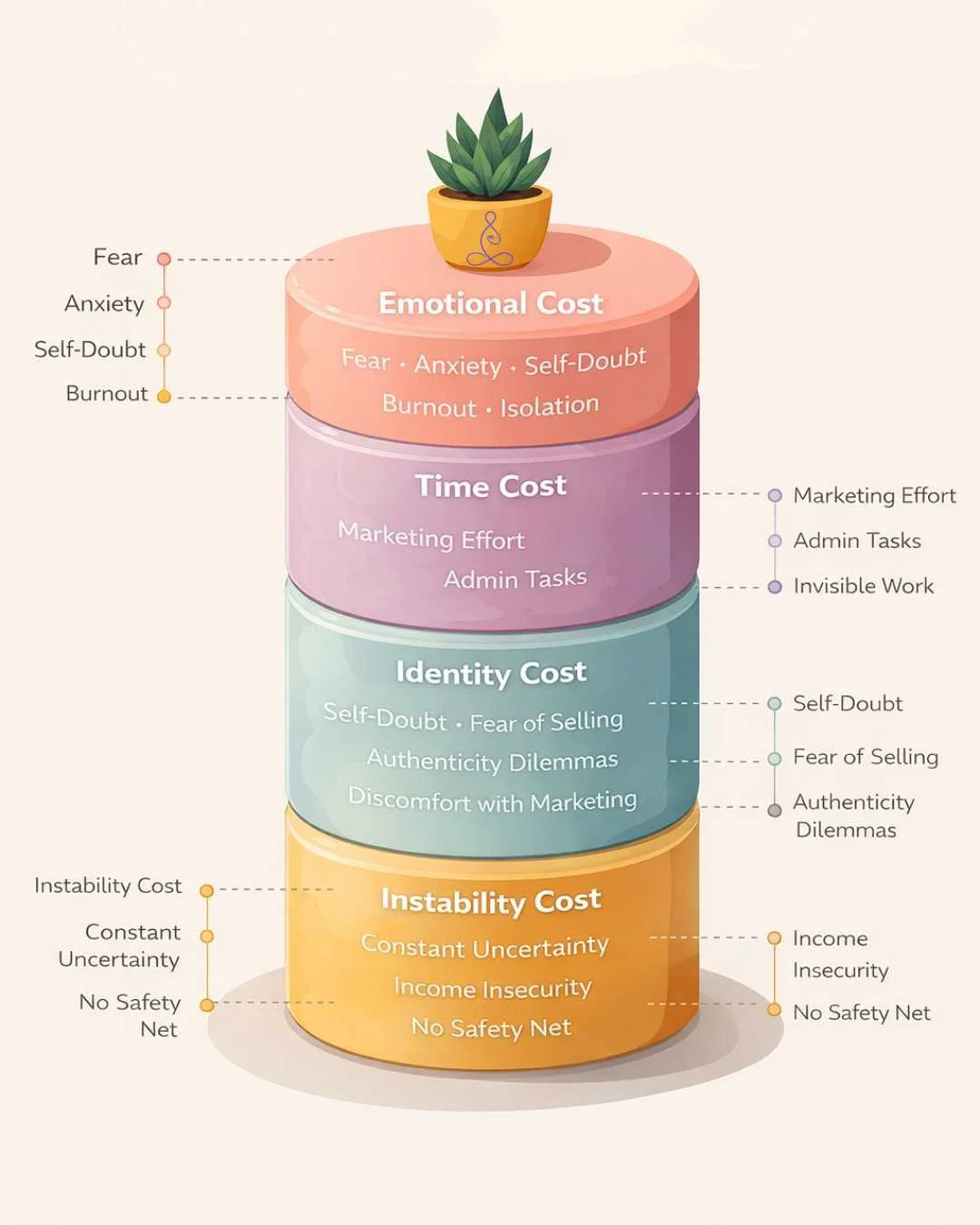
When therapists think about their work, they often think in terms of sessions, the time spent with clients, the emotional labour involved, and the outcomes achieved. However, a significant portion of their day is spent is outside the therapy room, on tasks that are necessary but rarely acknowledged.
This invisible layer of work, administrative, operational, and cognitive, carries a cost that is both financial and psychological.
7.1 Beyond the Sessions
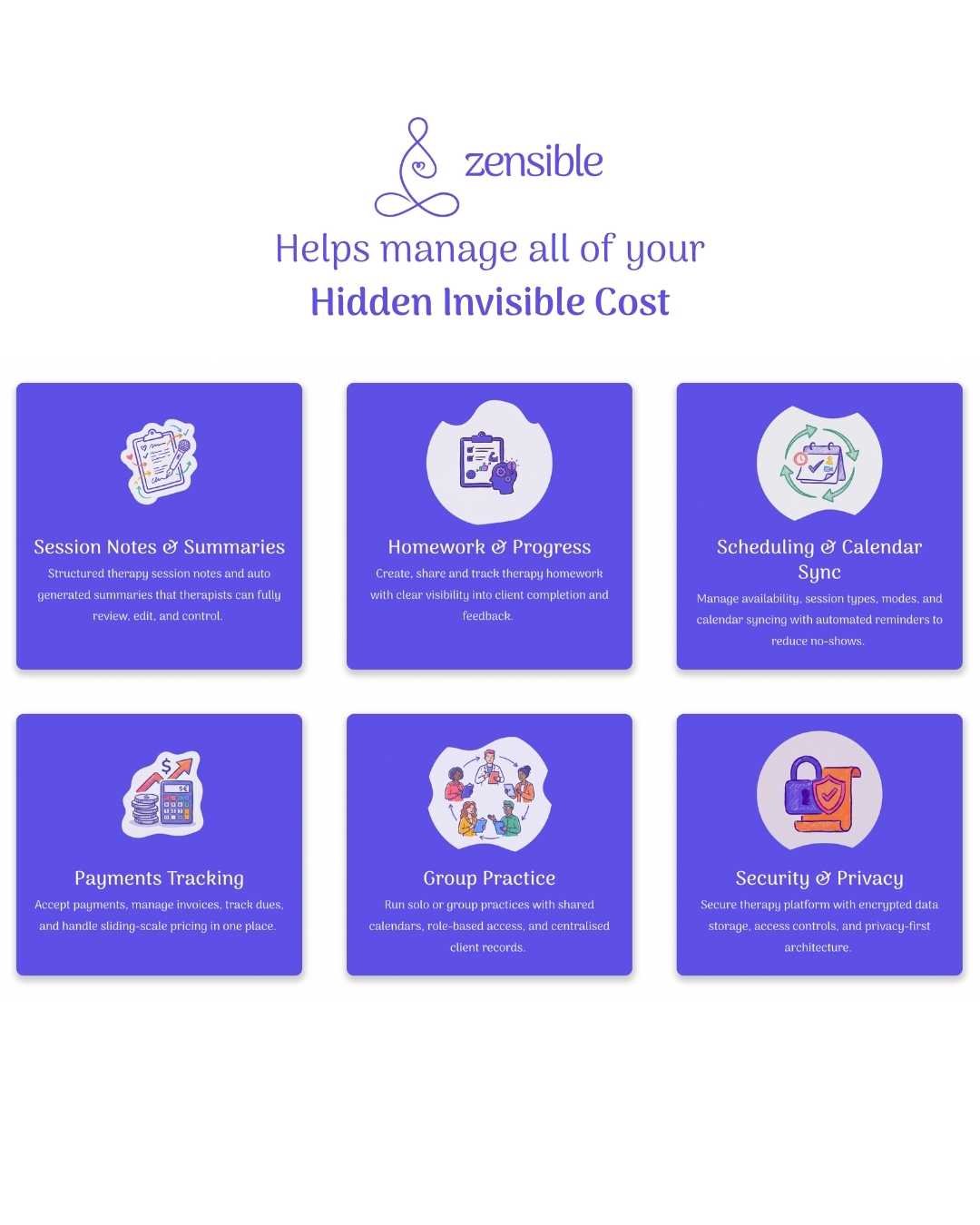
Therapy, in practice, extends far beyond the 45-minute sessions. For most therapists, a typical workflow includes,
Writing session notes
Scheduling and rescheduling appointments
Following up on payments
Managing cancellations and no-shows
Preparing for sessions
Handling client communications outside sessions
While each of these tasks may seem small in isolation, together they form a significant portion of the workday. Several therapists described this as an unexpected reality of practice.
“I didn’t realise how much time goes into everything around the session, notes, scheduling, messages…”
7.2 Time That Doesn’t Get Counted
Unlike sessions, administrative work is rarely billable, whether you are in private practice or if you work for an organisation. This creates a gap between time worked and income earned. For many therapists, this means that a day with 4 to 5 sessions may actually involve 8 to 10 hours of total work.
“By the end of the day, I’ve worked much longer than my session count would suggest and I’ll be exhausted physically and mentally.”
This time often goes unappreciated, leading therapists to underestimate their true workload and overestimate their effective hourly income.
7.3 The Cognitive Load of a Practice
Beyond time, there is an additional layer that therapists consistently highlighted, the mental load. Managing a practice requires constant decision-making,
Tracking who has paid and who hasn’t
Remembering scheduling changes
Managing multiple communication channels
Switching between clinical and administrative thinking
“It’s not just the sessions, it’s always at the back of my mind - Did I send that invoice? Did I confirm that session?”
This ongoing cognitive load can be draining, especially when combined with the emotional intensity of therapy work.
7.4 The Cost of Burnout
Peer-reviewed research consistently shows that administrative burden, workload intensity, and cognitive overload are key drivers or burnout among mental health professionals. Studies highlight that,
Higher non-clinical workload is associated with increased emotional exhaustion and reduced job satisfaction
Cognitive overload from task-switching reduces attention and performance quality
Burnout in therapists is strongly linked to both emotional labour and organisational inefficiencies
This burnout starts slowly such as,
Extending workdays to “catch-up” on admin
Taking on more clients to compensate for financial strain
Reducing breaks and recovery time
These adjustments may feel manageable in the short term, but they gradually erode both energy and capacity. Ultimately, the cost of burnout is not just personal, it is professional. It affects quality of care, client outcomes and longevity in the field.
7.5 What This Means
The modern Indian therapist is not just delivering care, they are managing an entire micro-enterprise. But unlike traditional businesses, there are no systems, no standard workflows and no operational support. This leads to time inefficiency, income leakage, cognitive overload and increased burnout risk.
Therapists are not just overworked, they are under-supported in the work that surrounds therapy.
8 Financial Reality: Passion vs Survival
Income and pricing data tell us how much therapists can earn, but it does not tell us a more important question
Is therapy financially sustainable for therapists themselves
Across interviews and survey results, the answer is complex and often uncomfortable.
8.1 Are Therapists Financially Independent?
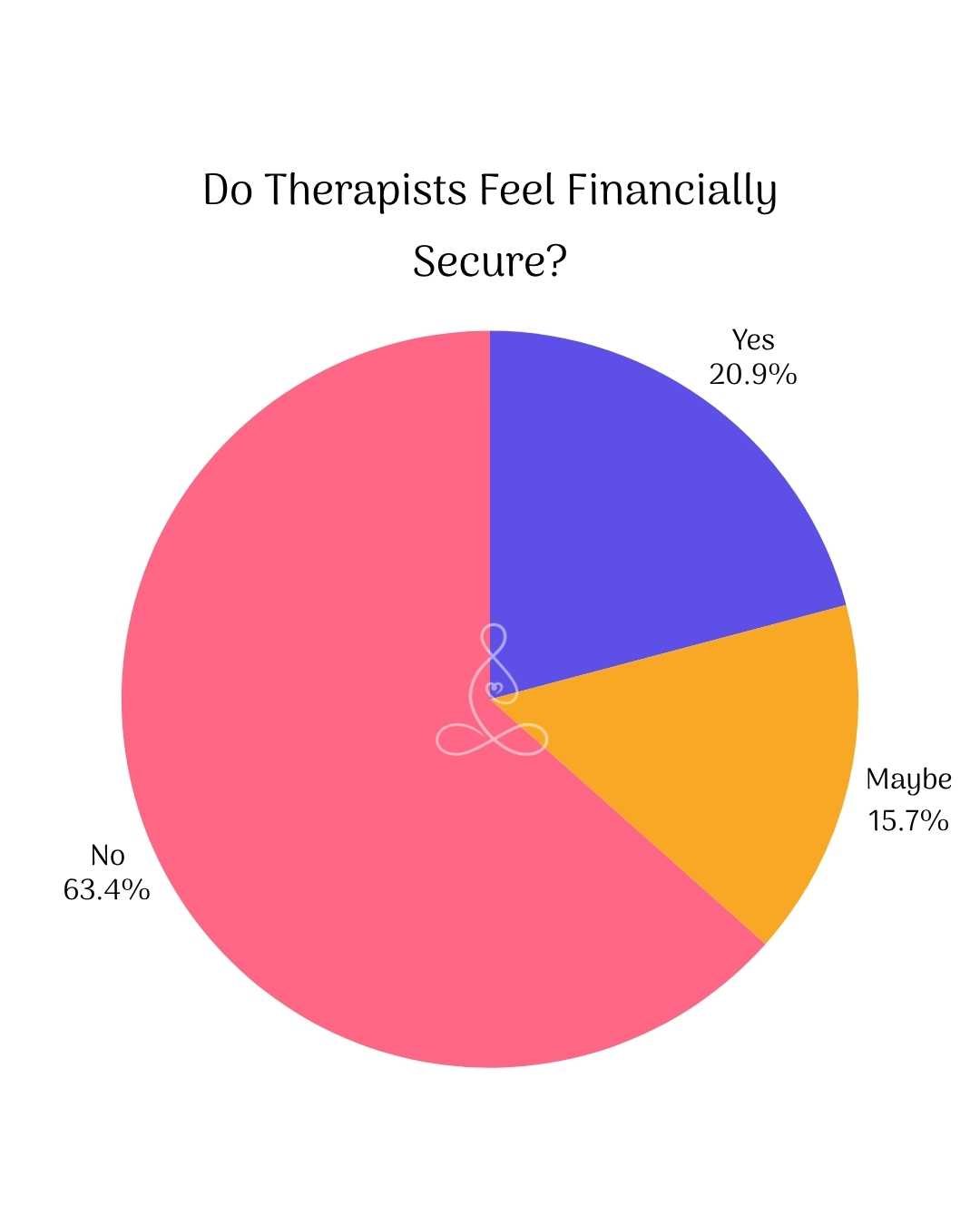
For many early and mid-career therapists, therapy alone is not sufficient to fully support their cost of living. Several rely on,
Family Support
Partner’s income
Savings from previous roles
Additional income streams (workshops, teaching etc.)
“Right now, I wouldn’t say I’m fully financially independent through therapy alone. I still have some level of support from home, especially when income fluctuates.”
Even among those in full-time practice, income is often inconsistent month-to-month, dependent on client retention, and sensitive to cancellations or drop-offs.
💡
Many therapists are not just building a practice, they are bridging financial gaps while doing so.
8.2 The Role of Family and Social Support
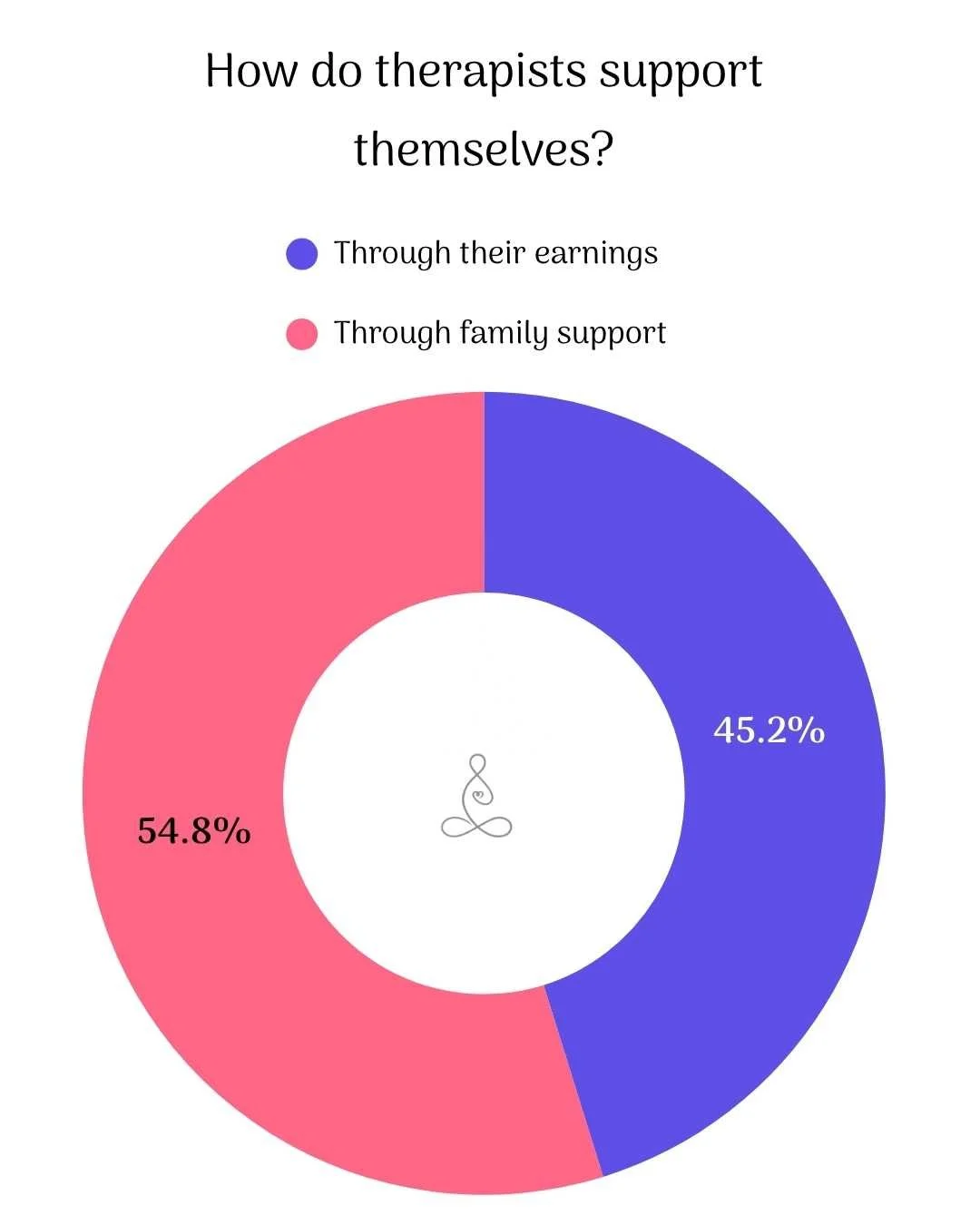
In the Indian context, family plays a significant role in enabling therapists to remain in the profession. This support may be in the form of,
Direct financial assistance, or
Indirect, like housing, home expenditure or emotional backing
For some, this creates a safe space to build a practice. For others, it introduces pressure
To “stabilise” financially
To consider alternative careers
To justify their professional choices
“There’s always this underlying pressure to make it financially viable soon.”
💡
Financial sustainability in therapy within India is often collective, not individual, shaped by family context as much as personal effort.
8.3 Do Therapists Want To Leave?
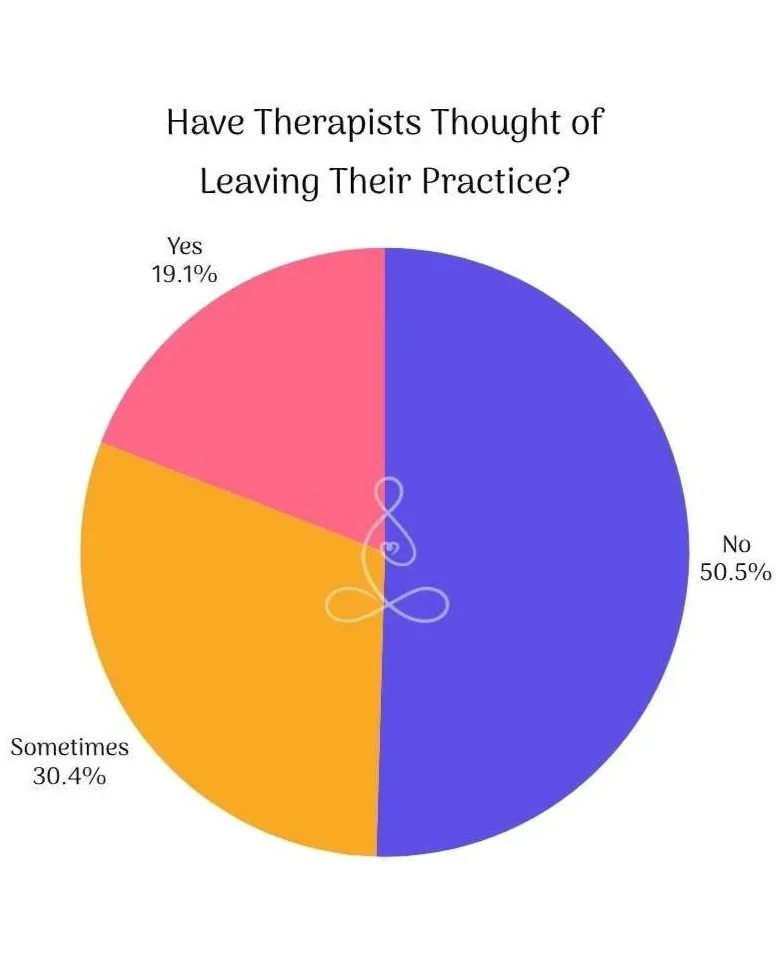
Across interviews and surveys, most therapists say they do not want to leave the profession, even when it is financially challenging. Despite income instability, workload pressures, and systemic gaps, therapists consistently expressed a strong desire to continue practicing.
“Even with all the challenges, I can’t see myself doing anything else. The work itself is meaningful for me to keep going. ”
For many, therapy is not just a job. It is a sense of purpose, a meaningful form of impact, and a part of their core identity. This intrinsic motivation plays a critical role in retention within the profession. While this commitment is a strength, it also introduces complexity, because therapists are deeply invested in their work,
Financial concerns are often deprioritised
Pricing decisions become emotionally influenced
Boundaries around time and income become harder to enforce
“I didn’t get into this for the money, but that also makes it harder to focus on the money.”
💡
The same passion that keeps therapists in the profession can also make it harder to build financially sustainable practices.
8.4 What This Means
The decision to stay in therapy is rarely driven by financial incentives alone. Instead, it reflects a deeper commitment to the work, the impact, and the identity of being a therapist. However, this also highlights a structural risk,
A profession sustained primarily by passion
Operating within a system that does not consistently support that passion financially
Therapists are not staying because it is easy, they are staying because it matters. The question is whether the system will evolve to make that commitment sustainable.
9 Systemic Challenges in India
While individual therapists navigate pricing, workload, and income decisions, these challenges do not exist in isolation. They are shaped and often intensified by systemic gaps in the Indian mental health ecosystem.
Understanding these structural issues is critical, because they explain why many of the patterns observed in this report are not individual shortcomings, but predictable outcomes of the system therapists operate within.
9.1 The Affordability Paradox
India faces a well-documented mental health gap, a large population in need of care, and a limited number of trained professionals available to provide it. Yet, despite this demand, therapy remains financially inaccessible for a large segment of the population.
Therapy is often paid out of pocket (limited insurance or corporate support)
There is limited culture of preventative mental healthcare spending
Price sensitivity among clients remains high
At the same time, therapists themselves struggle with low or inconsistent income, and pressure to keep fees affordable. The challenge is not just affordability or pricing, it is the absence of a system that makes therapy viable for both client and providers.
9.2 Lack of Insurance Coverage
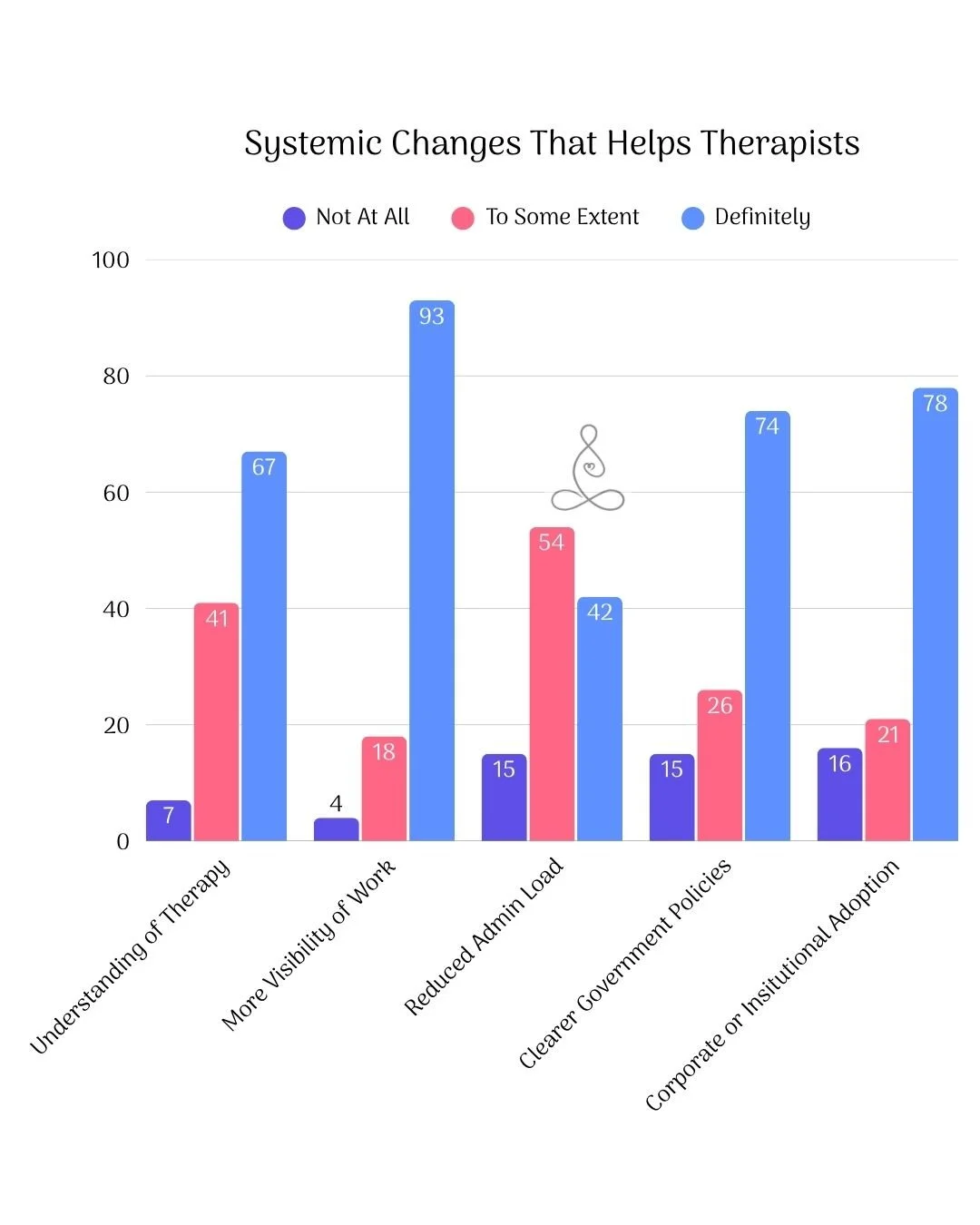
Unlike many Western healthcare systems, mental health services in India are still largely excluded from routine insurance coverage, despite regulatory efforts. While policies such as the Mental Healthcare Act (2017) mandates parity, implementation remains limited.
Less than 50% of insurance products actively cover mental health in their offerings
Reimbursement processes are unclear or cumbersome, while very few covered outpatient cashless therapy, even though it is mandatory according to the 2017 act
Therapists are rarely integrated into formal billing systems that can support reimbursement processes
Both practitioners and clients are not even aware that these are now mandatory requirements, exposing a large gap in policy to practical implementation
As a result, clients bear the full cost and become inconsistent or price-sensitive. Without insurance infrastructure, therapy operates as a discretionary expense rather than essential healthcare. When there is financial strain, individuals cut this cost first.
9.3 Absence of Standardisation
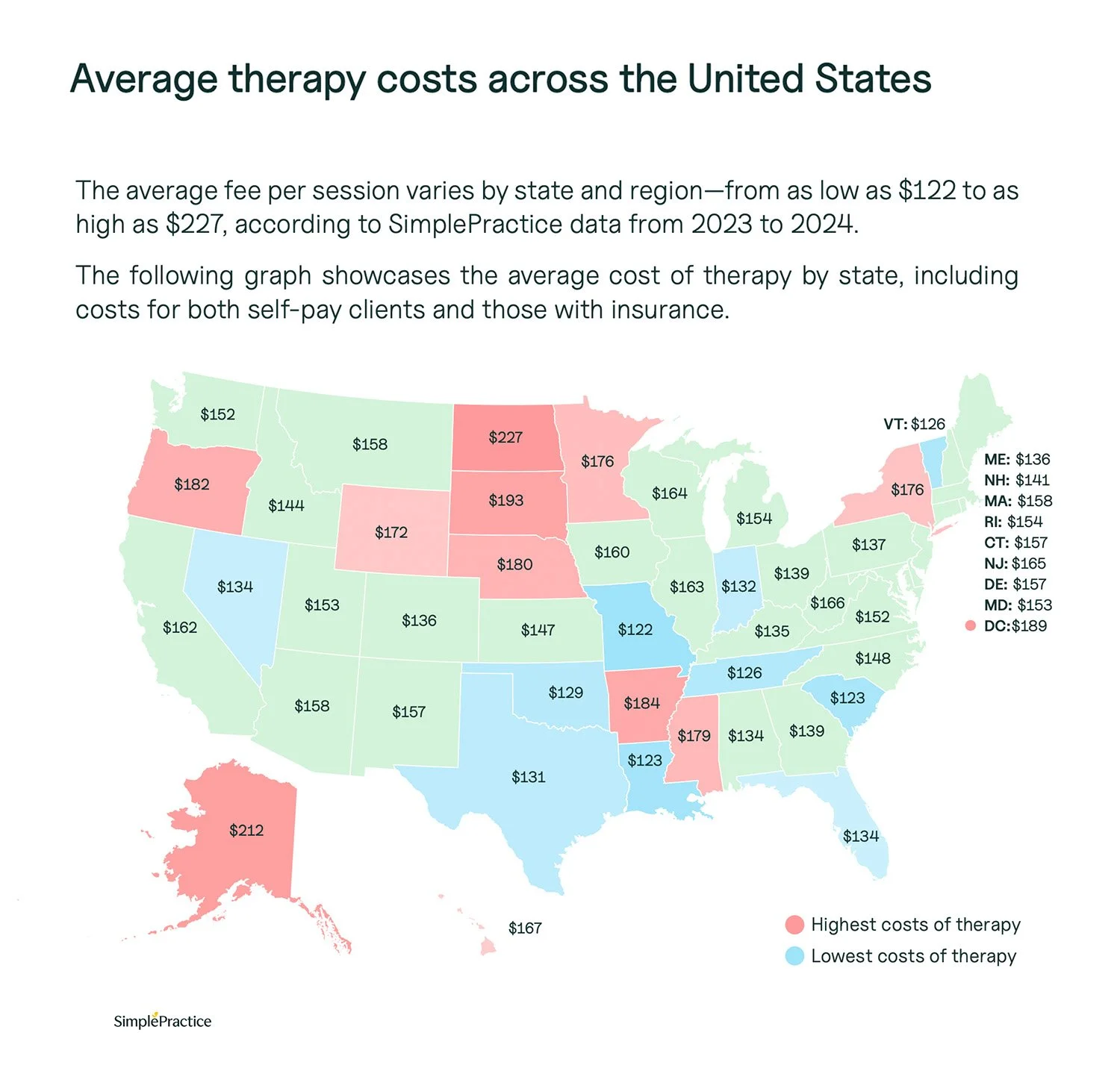
In other countries, especially the US, there are multiple private and public guides to therapy pricing by state. In India, the therapy profession lacks consistent standardisation across several dimensions,
Pricing benchmarks
Practice guidelines for private practitioners
Financial and operational best practices
Clear career pathways or even clear qualification requirements
As a result, there is wide variability in session fees, confusion among clients about value of therapy, and uncertainty among therapists about what is a fair pricing.
“I don’t really know what the right price is, everyone charges something different.”
9.4 Gaps in Training and Professional Readiness
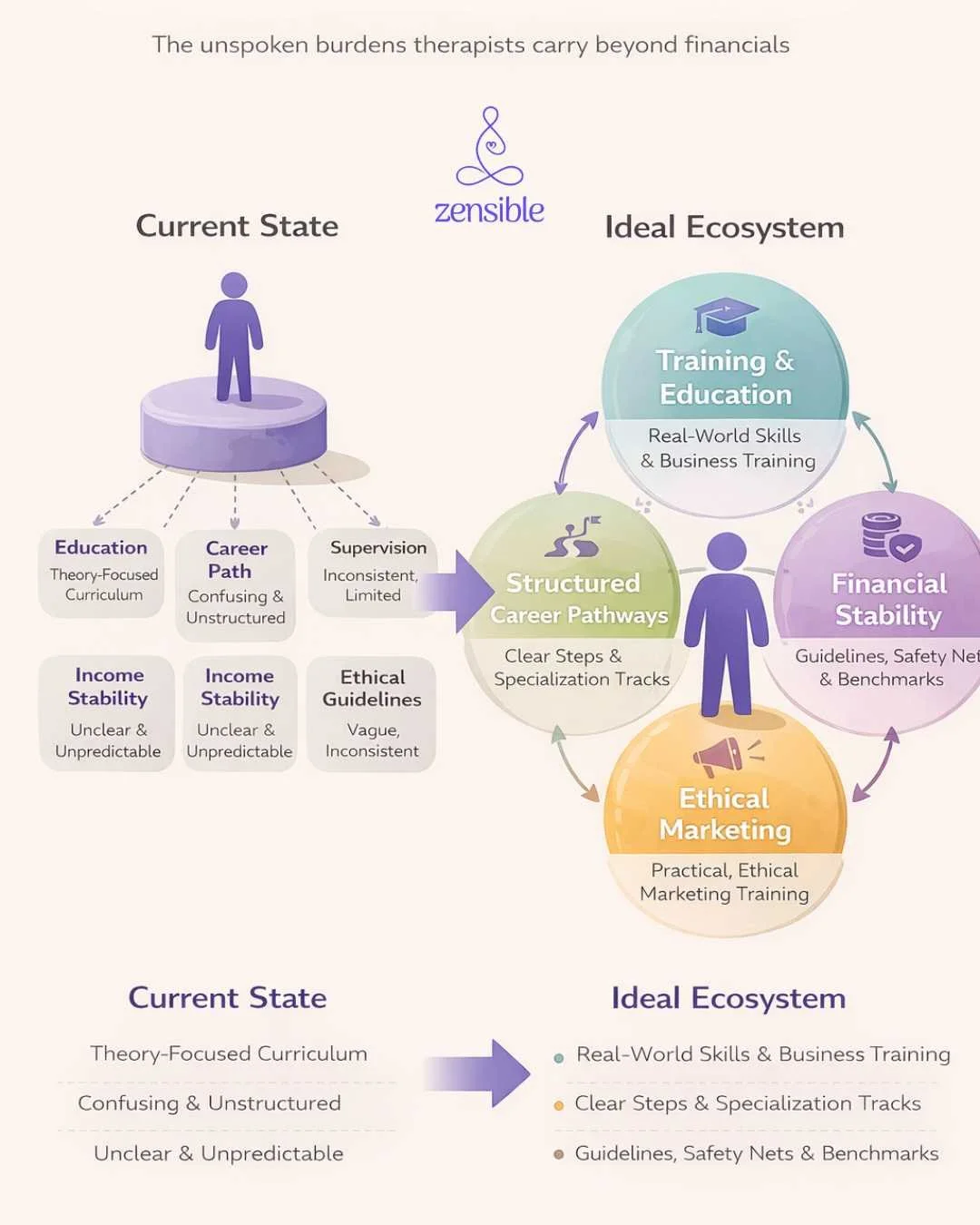
A recurring theme across both interviews and practitioner discussion boards is the disconnect between academic training and real-world practice. Key challenges include,
Limited practical exposure during training
Exploitative nature of psychology internships
Minimal academic focus on business skills, practice management, and financial literacy
Lack of structured transition from education to employment
This leads to low confidence among early-career therapists, poorly executed business ventures and difficulty in understanding career pathway.
9.5 The Marketing and Visibility Burden
In the absence of structured referral systems or institutional pipelines, therapists must actively market themselves to build and sustain a practice. This often includes,
Building a strong social media presence
Creating consistent content
Networking with other professionals
Relying on word-of-mouth referrals
However, many therapists report discomfort with self-promotion, lack of training in marketing, and ethical concerns around visibility and branding.
“I know I need to put myself out there, but it doesn’t come naturally to me.”
This creates a gap in visibility that is required for growth.
9.6 Admin and Infrastructure Gaps
Unlike medical healthcare systems with built-in support structures, Indian therapists often operate without,
Integrated practice management systems
Standard billing workflows
Institutional administrative support
This means therapists must manually manage scheduling, payments, session documentation, and compliance, if any. Solutions such as Zensible, built exclusively for Indian mental health professionals are now coming up, but therapists are reluctant to adopt such solutions due to financial instability, and novelty of these technologies. Such tech solutions also find it difficult to sustain themselves in this volatile market. Many early entries into the market such as Vinyasa, SafeTherapy, and Hibiscus Connect have chosen to close down or pause. Even established corporates such as Cult(mind.fit) and Swiggy (Pyng) chose to shutdown their mental health arm.
This creates a cyclical issue, where practitioners experience operational inefficiency leading to lower financial income while any support infrastructure is unable sustain due to low signups and utilisation.
9.7 What This Means
When these systemic factors come together, they create a compounding effect low and inconsistent income, emotional burnout, limited career progression and high dependence on self-navigation. Globally, research has shown that such conditions contribute to burnout among mental health professionals, workforce attrition, and reduced quality of care over time.
The challenges faced by therapists in India are not isolated problems, they are interconnected outcomes of a system still in its infancy. And until
10 Parting Words
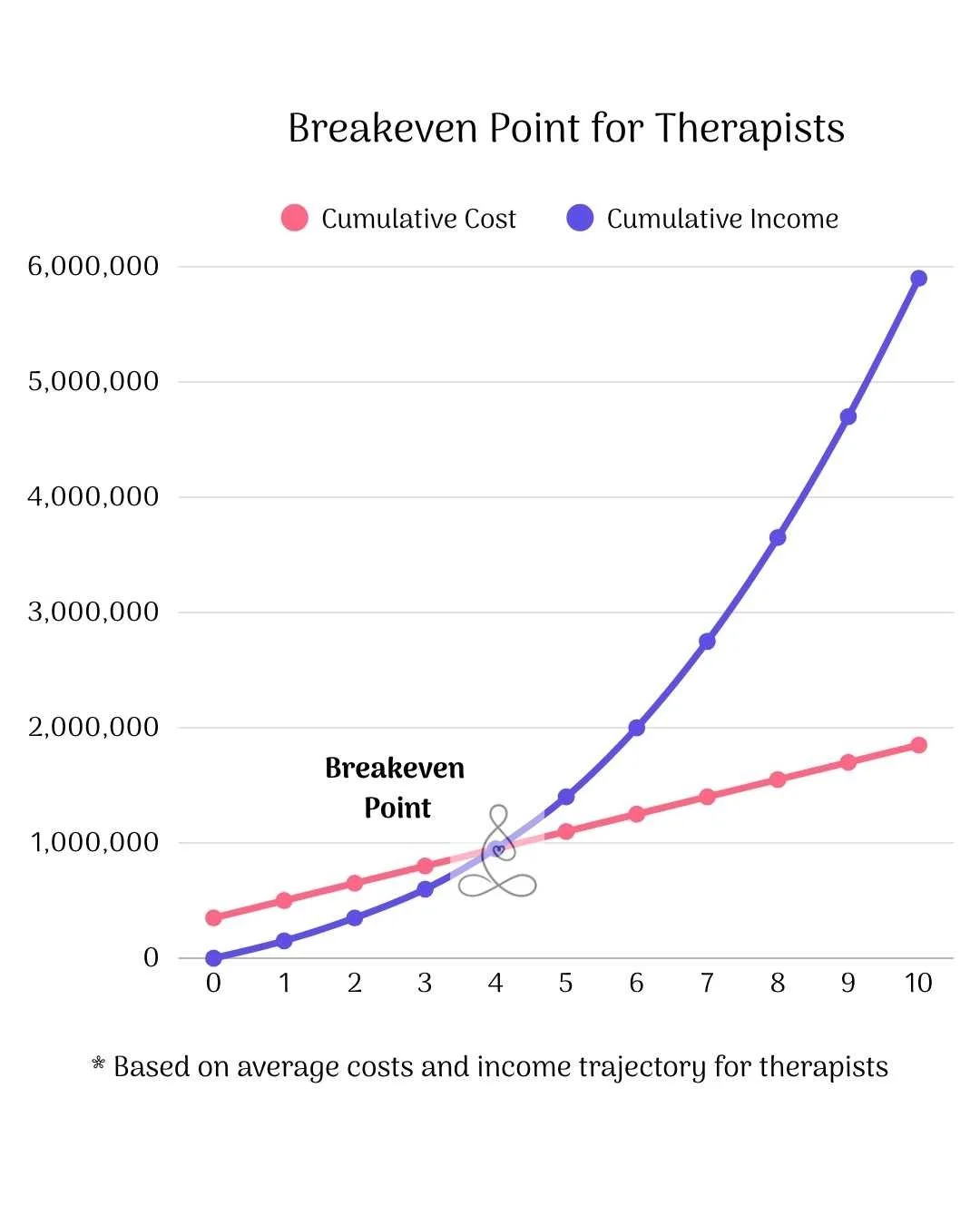
Behind every therapy session is a long, and often invisible, financial journey. Before entering the field, most therapists invest significantly in their education. On average students spend
Bachelor’s (3 years) - ₹1L to ₹6L
Master’s (2 years) - ₹2L to ₹8L
This is often punctuated with internships that are low-paid or unpaid, extending both the time and financial investment required to enter the profession. Even after entering a job or private practice, therapists continue to spend
Supervision - ₹2000 - ₹8000/month
Personal therapy - ₹2000 - ₹10,000/month
Trainings/Certifications - ₹20,000 - ₹1L annually
Tools, Platforms and Operational Costs - ₹5000 - ₹10,000/month
Using survey data and salary benchmarks, early career therapists earn approximately ₹2L - ₹3.5L annually. This income grows gradually, especially once someone transitions into private practice within a few years.
Considering all this data, a typical break-even point is 4 to 7 years into this profession, based on educational pathway, access to financial support, speed of building client base and commitment to building a thriving practice.
The question is not whether this journey is meaningful, it clearly is to everyone who enters this space. The question is whether it can become more sustainable, sooner.
For therapists
Learn financial awareness early, track income, and expenses.
Develop pricing confidence that reflects both value and sustainability
Plan investments like trainings, supervision and therapy carefully
Find strengths and weaknesses in marketing and networking
For the ecosystem
Training institutions must include business, financial literacy, and practice management
Organisations must offer fair entry-level pay and structured growth pathways
The broader system must have insurance coverage, price standardisation, and promote accessible infrastructure and tools.
The future of mental health in India depends not just on expanding access to care, but on ensuring that those who provide it can grow, sustain, and thrive while doing so.