Self-reflection is a critical muscle for any mental health professional, which is why psychology programs frequently mandate personal therapy and introspective assignments. However, requiring students to disclose significant personal distress or real-world intervention applications crosses a dangerous line.
Here are 7 reasons why mandatory self-disclosure coursework violates ethical boundaries and creates devastating consequences for both students and educators.
1. Violation of Ethical Guidelines
APA Ethics Code Standard 7.04 explicitly prohibits educational institutions from forcing students to disclose personal histories, including abuse, neglect, or relationships with significant others, unless explicitly stated during admissions.
Similarly, BPS guidelines warn educators against forming dual relationships or causing harm through forced disclosures. In regions without clear local guidelines, such as India, adhering to these international standards makes mandatory disclosure a severe ethical boundary breach.
2. The Grade Conundrum
When grades are tied to the depth of personal reflection, students face an impossible choice. They must either reopen deep, significantly personal wounds for a higher grade or protect their emotional peace with a milder topic and suffer poor marks.
Reddit, especially psychologyStudents subreddit, is filled with examples of such instances.
3. The Fictional Trauma
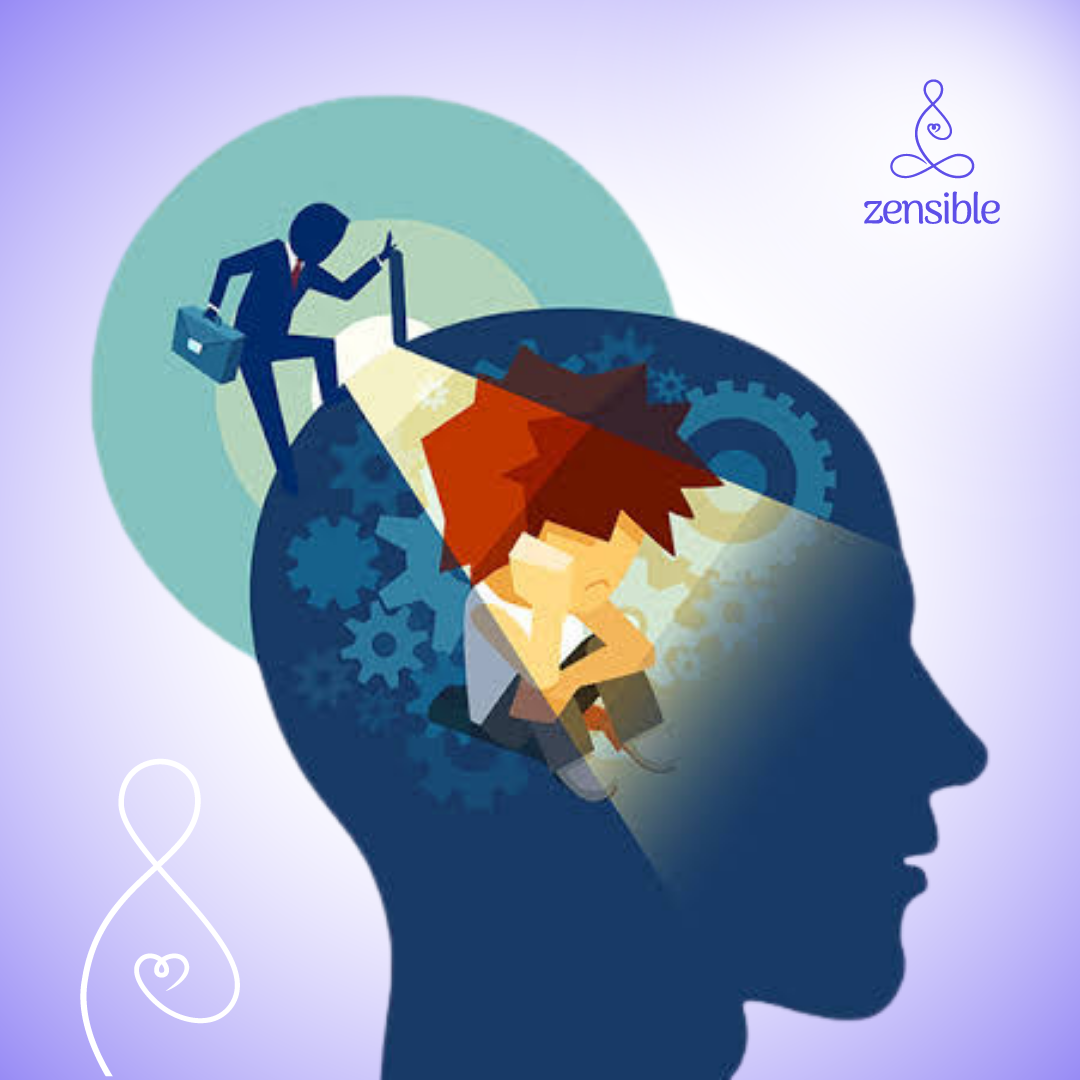
To satisfy academic depth requirements without revealing private information, students often invent fictional stories of trauma or triggers. Even students who feel their lives lack distressing events may invent graphically detailed stories just to secure a good grade.
4. Academic Transference
After disclosing intimate details, students may project their feelings onto their professors. They may begin to feel judged or imagine that the teacher is treating them differently based on the private information they now possess.
5. Blurred Boundaries
Forcing self-disclosure pushes professors into a dual relationship, tearing them between acting as an empathetic therapist and maintaining their professional boundaries as an academic teacher.
Again, instances of such cases have been discussed in Reddit.
6. Compassionate Grading Bias
If educators begin grading based on how traumatic a student’s life has been, rewarding the resulting "deep" self-analysis, grading becomes highly subjective. This creates an unfair environment for other students and severely diminishes the overall quality of education.
7. Exposure to Unprocessed Triggers

Professors asking for personal triggers should not be surprised when students "trauma dump" unprocessed material. This sudden offloading can catch the teacher off-guard, destabilizing the mental health of both the student and the teacher.
Safer Academic Alternatives
Educators can push the boundaries of a student's clinical understanding without pushing personal mental health boundaries. Safer, highly effective alternatives include:
Focusing assignments on neurological symptoms or theoretical behavior modifications rather than actual personal life events.
Allowing students to opt out of personal disclosure entirely by analyzing fictional, historical, or anonymized case studies instead.