The 4 Tasks of Mourning: Why Grief is an Active Journey, Not Just a "Stage"
When we think about grief, we often picture it as a heavy, dark cloud that hovers over us. We are told that we just have to "wait it out" or ride the waves until time eventually heals the wound.
But what if grieving wasn't just something that happens to you? What if it was an active process where you actually have a say?
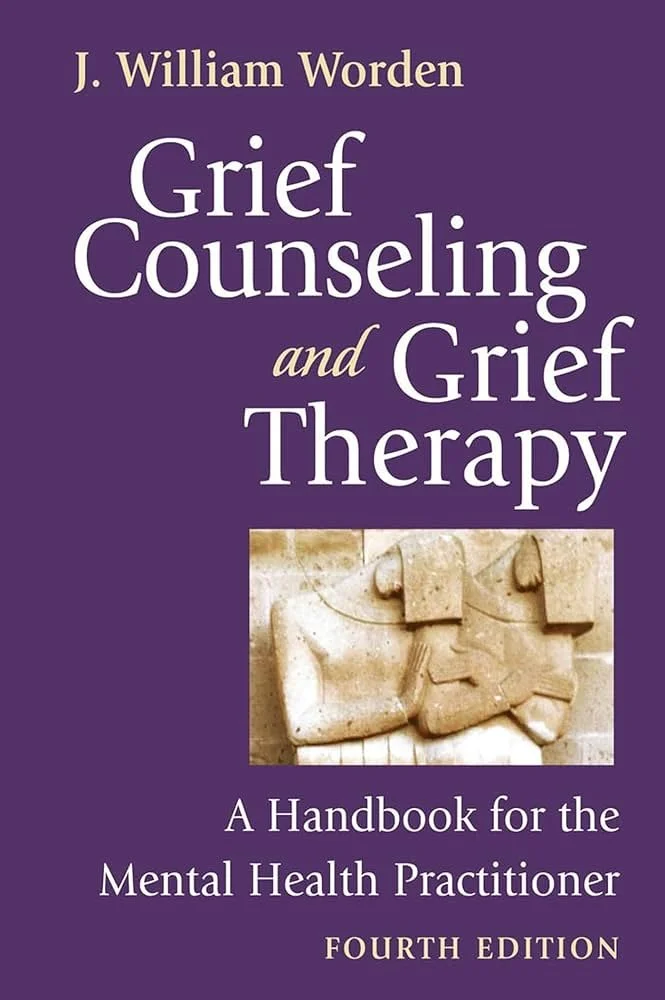
In his brilliant book, Grief Counseling and Grief Therapy, psychologist J. William Worden introduces a groundbreaking way to look at loss. Instead of passive "stages" of grief, which can make mourners feel powerless, he outlines four "tasks" of mourning.
The word task that he has used is intentional. It gives agency and control back to the grieving person, allowing them to navigate their healing at a pace that feels safe and comfortable for them.
(Note: In clinical psychology, grief is often categorized into three types: trauma without bereavement, bereavement without trauma, and traumatic bereavement. For this blog, we are focusing specifically on bereavement without acute trauma. The natural, albeit painful, loss of a loved one.)
Here are the 4 Tasks of Mourning, and what they actually look like in real life.
Task 1: Accepting the Reality of the Loss
The very first task is to deeply and fully accept that the person is gone and that reunion in this life is not possible. This sounds obvious, but the human brain is wired to protect us from sudden, unbearable pain. The popular stages of grief - Denial, Anger, Bargaining, Depression and Acceptance is part of this task.
The first, subtle step, denial can take various forms -
Literal Denial: Keeping their room perfectly untouched, dialing their phone number just to hear their voicemail, or imagining they are just away on a long trip.
Meaning Denial: Downplaying the significance of the loss to shield the heart. (e.g., "We weren't even that close anymore," or "He wasn't a great father to me anyway.")
Selective Forgetting: Blocking out certain overlapping memories to avoid the pain of remembering what was shared together.
How we do the work: Traditional rituals like funerals and memorials were created specifically to help us achieve this first task. For those who cannot attend a funeral, creating a personal closure ritual, like writing a final letter or scattering ashes, could be a vital step toward acceptance.
Task 2: Working Through the Emotions of Grief
You cannot bypass the pain, you have to go through it. Unfortunately, our society is terrible at holding space for pain. Grievers are constantly bombarded with well-meaning but dismissive platitudes like, "She is in a better place now," or "He would want you to smile and go on with your life."
These phrases often pressure mourners to suppress their feelings. To cope, people might geographically escape by traveling away from where the loss happened, bury themselves in 80-hour work weeks, or turn to alcohol and substances to numb the ache.
How we do the work: This task requires leaning into the discomfort. And remember, "pain" isn't just sadness. It is often wrapped in deep anger, profound guilt, and staggering loneliness. If we distract ourselves from this task, the unprocessed emotion doesn't vanish, it simply waits in the shadows, often requiring much harder therapeutic work years down the line.
Task 3: Adjusting to a Life Without Them
When you lose a significant person, you don't just lose their physical presence. You lose all the invisible roles they played in your life. This task happens on three levels:
External Adjustments: You have to learn how to do the things they used to do. A widower might suddenly have to learn how to cook and manage the children's school schedules. A daughter might realize her late father was her unpaid accountant, her career mentor, and her gardener. You are learning to survive in a newly shaped physical world.
Internal Adjustments: Loss shatters our identity. Who are you if you are no longer a wife? Who are you if you are no longer a caregiver to your ailing mother? Adjusting to this new, unchosen identity takes profound patience.
Spiritual Adjustments: Sudden or profound loss shakes our fundamental belief in the "fairness" of the world. This task involves rebuilding your worldview, questioning your beliefs, and eventually finding a new sense of meaning and purpose.
Task 4: Forming New Connections While Cherishing the Lost
There is a massive misconception that "moving on" means cutting ties with the deceased. But love doesn't end just because a life does.
Task 4 is not about forgetting. It is about finding an appropriate place for the deceased in your emotional life. A place that allows you to continue living. It means recognizing that you can honor their memory while making room for new joys.
What this looks like: It means you can adopt your late grandmother's fierce sense of humor as your own. It means realizing that laughing at a joke, pursuing a new career, or falling in love again does not mean you love the person you lost any less. You are moving forward with them, not moving away from them.
Grief is Not a "One-Size-Fits-All" Formula
While these tasks offer a roadmap, the speed and intensity of this journey are completely unique for each person. In the therapy room, we know that a person's ability to navigate these tasks is influenced by several mediators:
Who the person was and the specific nature of their relationship (was it secure, complicated, or strained?).
How they died (was it expected or sudden?).
The Griever’s history: Have they experienced other recent losses? What other stressors (financial, health) are they currently facing?
Their coping style: Different people process differently. Some grievers naturally lean into problem-solving and need help accessing their emotions, while others are overwhelmed by emotion and need help with practical adjustments and grounding.
The Zensible Takeaway: Grieving is hard, exhausting work. If you are in the midst of it, please remember that you do not have to finish all these tasks today, this month, or even this year. You are allowed to set the pace. And if the tasks feel too heavy to carry alone, reaching out to a culturally aligned, grief-informed therapist is one of the bravest steps you can take toward your own healing