
The Gen-Z therapy shift
Generation Z, or more popularly known as Gen-Z (those born between 1997–2012), is often known for everything from growing up watching cartoons to now using AI for work and studies . As a generation, we’ve witnessed so many shifts and changes (wish we could’ve also witnessed the dinosaurs 🦖😭). But most importantly, we’ve seen the growing change in the therapy and mental health field . While some of us embraced therapy for ourselves, others chose to study it further and become professionals too. So, what do we as Gen-Z therapists bring to the field, you ask? Firstly, we could be one of the first generation, who are talking so much openly about “mental health” ! While on one hand, I do agree that our previous era of psychologists, and other pioneers did lay the foundation, and built half the building of “psychology”. We as a whole generation did also bring out the “openness to talk about mental health”.
But the actual Gen-Z therapy shift starts from here:
✨ Having a Personal Touch in Therapy
While we, as Gen-Z therapists, do follow the process of rapport building with clients — getting to know them better and understanding their experiences…I have also noticed something unique about therapists from this generation: the personal touch we bring into therapy. Whether it is the way we conduct sessions, the interventions we choose, or the atmosphere we create, there is a visible shift in how therapy is being practiced. Approaches such as Feminist Therapy, ACT (Acceptance and Commitment Therapy), and mindfulness-based interventions are becoming increasingly common among younger therapists. We are exploring newer ways of connecting with clients, slightly reshaping the traditional structure of therapy sessions, and moving beyond the old-fashioned approach. And honestly, in today’s economy and fast-changing world, therapists need to adapt, evolve, and stand out.
✨ Using Tech for a good boon:
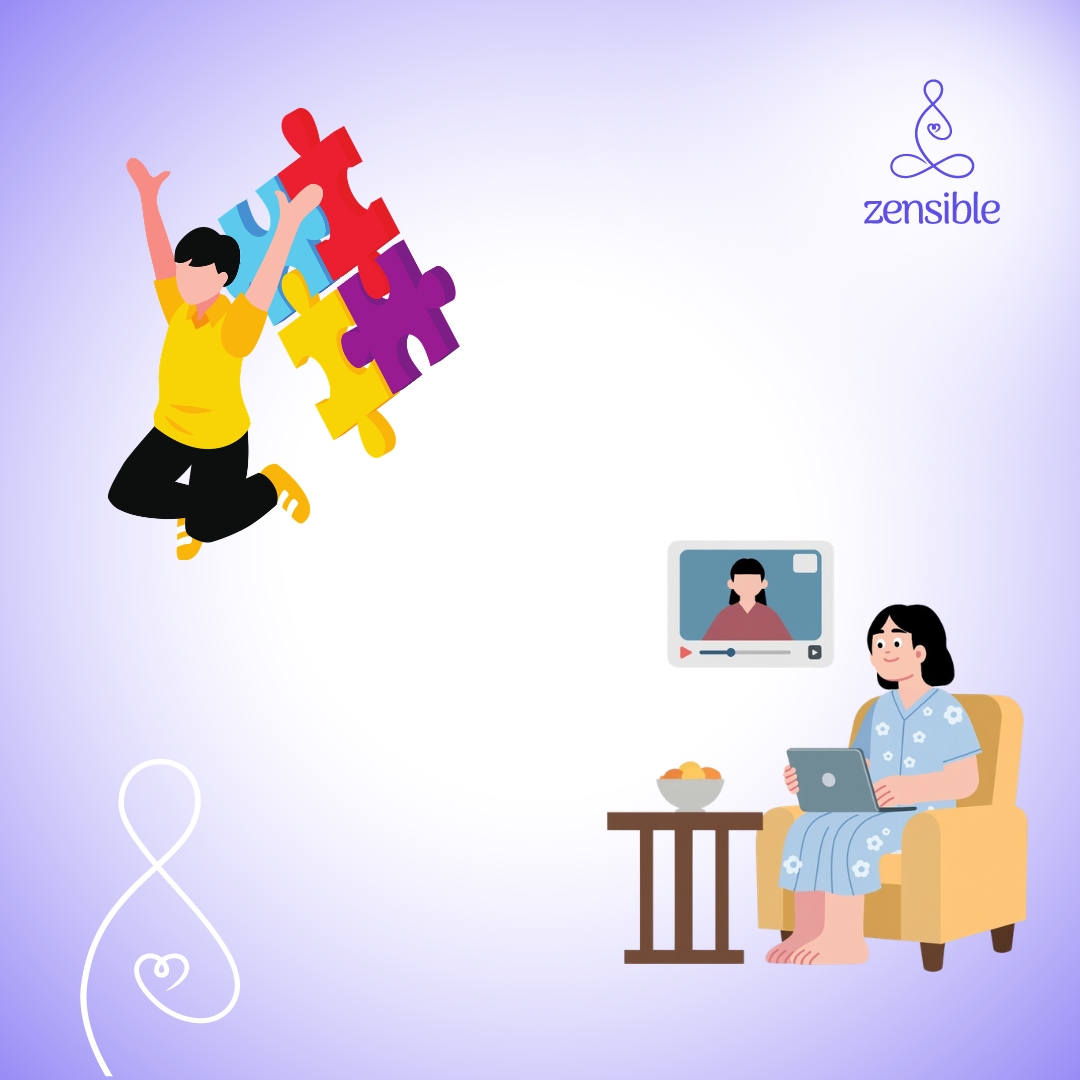
From the rise of tele-mental health services during the COVID era to the creation of apps used for therapy homework, progress tracking, and multiple other therapeutic tools…technology has slowly become a part of modern therapy practices. And a little mention here: Zensible includes many of these features, along with several additional tools designed for both clients and therapists. As Gen-Z therapists, we believe that technology, when used intentionally and ethically, can become a great support system for therapists rather than replace them. It helps make therapy more accessible, flexible, organised, and engaging for clients in today’s fast-moving world. Now, all that is left to see is where this growing world of technology takes the future of mental health care.
✨ Special emphasis on culture:
Whether in India or in Western countries, there has been a growing emphasis on understanding multiculturalism within therapy spaces. I have personally noticed a rise in therapists actively trying to understand different cultures, identities, and lived experiences in order to reduce the biases that may unintentionally arise during sessions. Although I strongly believe that “we are humans before being therapists,” I also understand that unchecked biases can sometimes seriously affect the therapeutic relationship as a whole. Because of this, many therapists…especially Gen-Z therapists…are consciously working toward becoming more aware, informed, and inclusive in their practice. To do that, more therapists are taking up specialization and up skilling courses in areas such as trauma-informed care, queer-affirmative practice, and culturally sensitive therapy approaches. In many ways, this becomes a win-win situation for both therapists and clients. While we continue to grow professionally, we are also taking an extra step toward understanding, supporting, and caring for our clients in a more empathetic and inclusive manner.
✨ Creative Arts and Language:
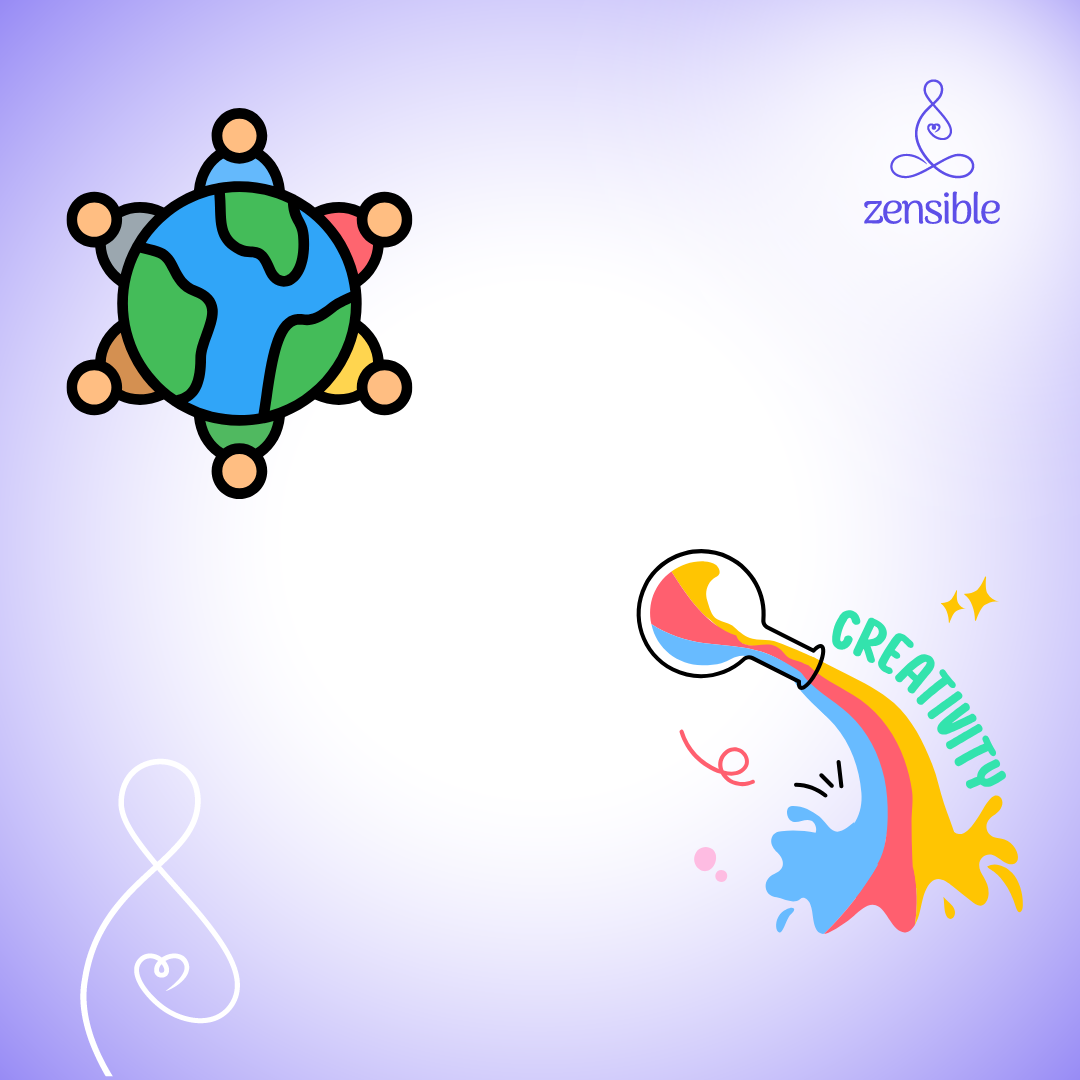
Creative arts therapies such as play therapy, art therapy, music therapy, and dance therapy have evolved beautifully over time. As Gen-Z therapists, many of us also add our own personal touch to these approaches. After all, who does not appreciate a little creativity and spark that helps clients express themselves and feel more understood? Whether it is with children, adults, or clients who may struggle to verbally open up during sessions, creative expression often becomes a safe and comforting medium.Art, in many ways, connects people on an entirely different emotional level …one that words alone may not always reach. Apart from this, another interesting shift has been the use of language and relatability within therapy spaces. The “Gen-Z lore,”humor, and communication style are things many younger therapists naturally understand and navigate well. And honestly, when working with younger clients, sometimes connecting through their language, references, or slang can help build comfort and trust more effectively. Some clients simply want a space where they can freely talk, vent, laugh, and exist without immediately feeling pressured to “fix” every emotional burden they carry.
I genuinely had so much fun writing this piece, and I hope you enjoyed reading it just as much. And no…this was never meant to prove that “Gen-Z therapists are better” than millennials or therapists from previous generations. Every generation has contributed something valuable to the field of mental health. This was simply my personal take on how Gen-Z therapists are approaching mental health differently… with creativity, adaptability, inclusivity. And with that, take care, lovely readers… and see you in the next blog post !
