The Truth About Therapy 'Quick Fixes': Evidence-Based Care vs. Pseudoscience
Ms. G has severe anxiety and is trying to find a therapist who can help her. While looking for a therapist, she comes across two profiles on Instagram (where else)
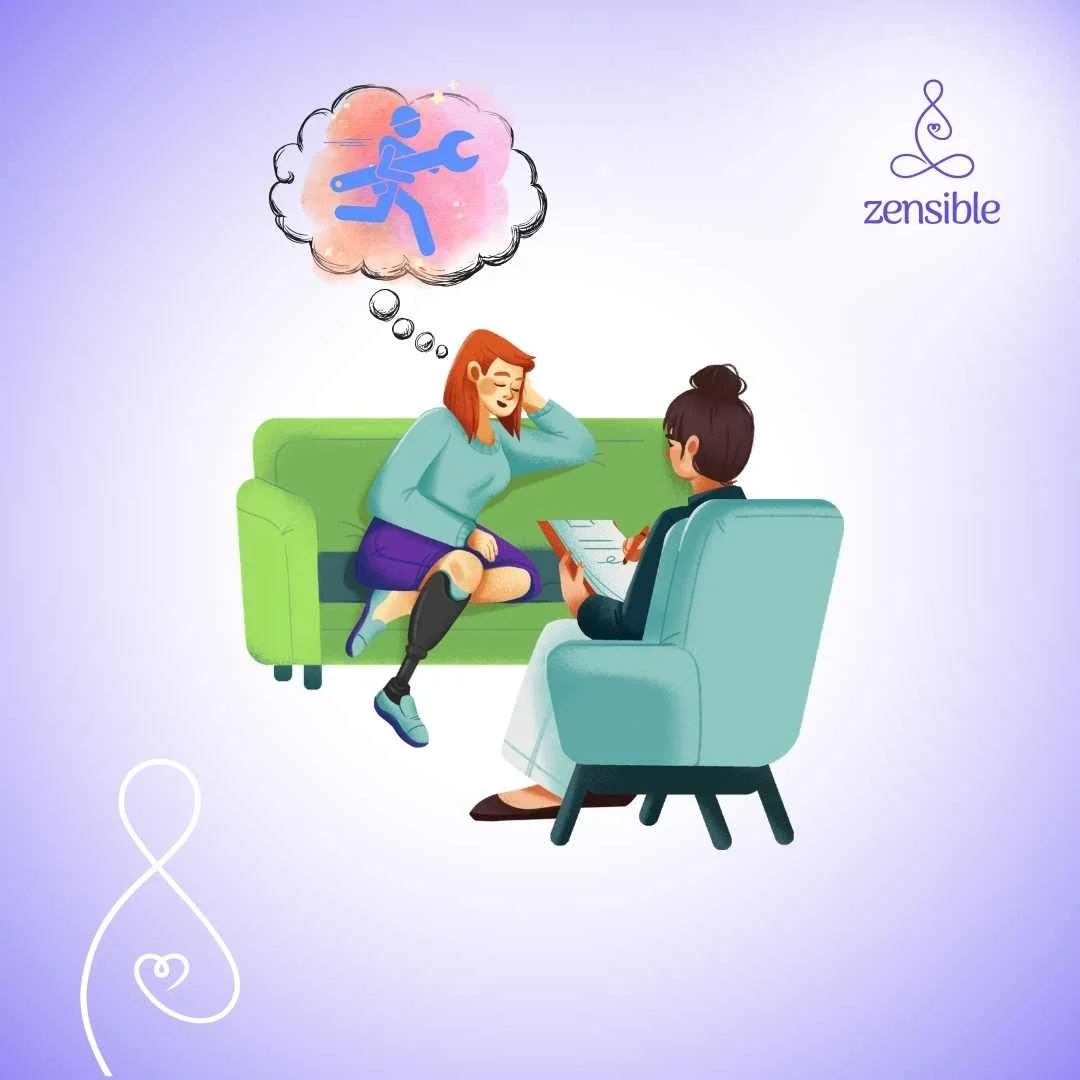
One that has posts about exposure therapy that might help slowly reduce her anxiety.
Another one that has posts on radical hypnotherapy and energy tapping to unearth repressed trauma, thereby instantly "curing" the source of her anxiety.
Which one do you think Ms. G will go for?
Psychotherapy has long been mocked as “you just ask, how does that make you feel?!” or “you just listen, never solving anything.” In this day of 10-minute grocery deliveries and instant access to information, why shouldn’t therapy be instant, right?
If Ms. G is desperate for relief, the second option looks incredibly appealing. It promises a quick, dramatic cure without the grueling, uncomfortable work of slowing working through her fears.
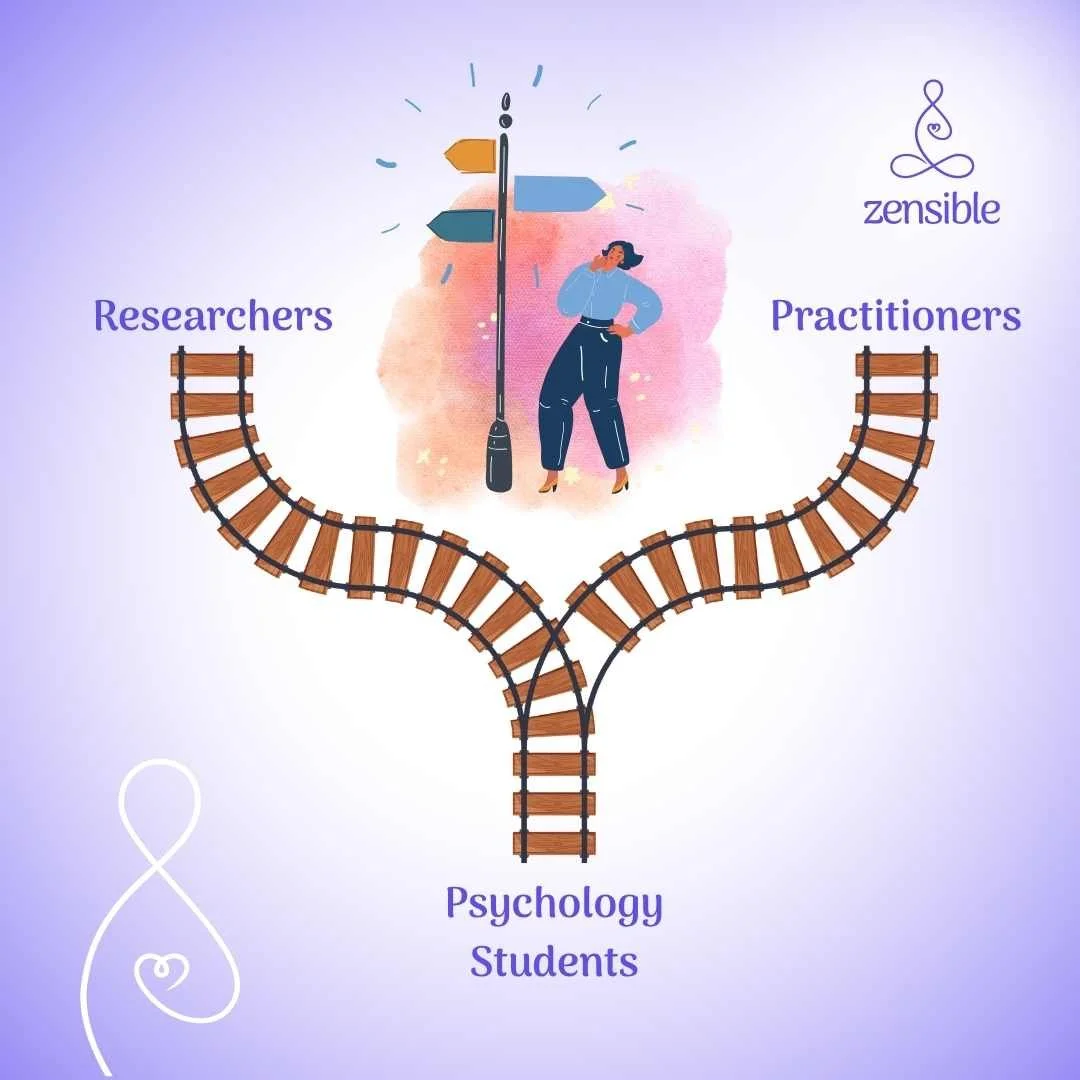
This highlights a massive problem in the mental health field today, often referred to as the researcher-practitioner gap. When therapists rely entirely on personal intuition or trendy weekend workshops rather than empirical scientific data, unverified "New Age" therapies flood the market.
According to researchers analyzing science and pseudoscience in clinical psychology, there are several popular but unsupported techniques circulating in the therapy world today. Here are a few prominent unverified therapies, and exactly why they should not be used in evidence-based practice.
All of the below have been taken from this brilliant book called - Science and Pseudoscience in Clinical Psychology.
1. Energy Psychology (Thought Field Therapy / EFT Tapping)
The Claim: These therapies claim that psychological issues (like trauma or anxiety) are caused by imbalances in the body's "energy fields." The treatment involves the client tapping on specific acupressure points or meridians on their body while thinking about their anxiety to release the energy blockage.
Why it shouldn't be used: There is absolutely no scientific evidence that these invisible "energy fields" or meridians exist, let alone dictate our mental health. While some clients report feeling better after tapping, rigorous studies show that the "tapping" itself is entirely useless. Any actual improvement comes from the fact that the client is being exposed to their fear (thinking about their anxiety) in a calm environment, which is just standard exposure therapy disguised behind a theatrical, pseudoscientific placebo approach. Relying on tapping distracts from the actual psychological work and promotes a false understanding of how our anxiety functions.
2. Recovered Memory Therapy and Radical Hypnotherapy
The Claim: This approach touts that current mental health struggles are the result of deeply repressed, forgotten childhood traumas (or even past-life traumas). The therapist uses hypnosis, guided imagery, or suggestive questioning to "unearth" these hidden memories, promising that once the memory is uncovered, the anxiety will vanish.
Why it shouldn't be used: Human memory does not work like a video camera recording perfect, hidden tapes. It is unreliable and vulnerable to suggestion. Decades of cognitive research show that techniques like hypnosis severely increase a person's suggestibility. Using these techniques in a highly emotional therapy setting has been shown time and time again to implanting false memories. Clients can "remember" horrific abuse that never actually occurred, leading to the destruction of families, the worsening of the client’s original anxiety, and the creation of entirely new psychological trauma.
3. Rebirthing and "Holding" Attachment Therapies
The Claim: Often used for individuals with attachment issues or trauma, these therapies operate on the belief that a client must physically re-experience infancy or birth to "re-attach" properly. This can involve the therapist tightly wrapping the client in blankets to simulate a womb, physically holding them down, or restricting their movement until they experience a cathartic emotional release.
Why it shouldn't be used: Beyond lacking any credible empirical support in developmental psychology, these therapies are incredibly dangerous. They operate on a fundamentally flawed understanding of infant psychology and human attachment. More alarmingly, the physical restraint involved in "holding" and "rebirthing" therapies has led to severe psychological distress, physical injury, and in some documented cases, accidental suffocation and death. It is a prime example of clinical work crossing the line into physical harm.
The Reality of Real Therapy
The danger of unsupported "quick fix" therapies is that they steal clients of their agency. They sell the idea that healing is a magical, passive event done to the client by a guru with a secret technique.
Evidence-based practices, like Cognitive Behavioral Therapy (CBT) or Exposure and Response Prevention (ERP), are rarely glamorous. They do not promise overnight cures or mystical breakthroughs. Instead, they require the client to process their discomfort, challenge their own deeply held beliefs, and actively build coping skills.
Real therapy isn't a 10-minute delivery service. It is a gym for your mind. It is sweaty, it is tiring, and it requires consistency. But unlike a temporary placebo high, the psychological muscles you build through evidence-based therapy belong to you forever.
Bridging the Gap
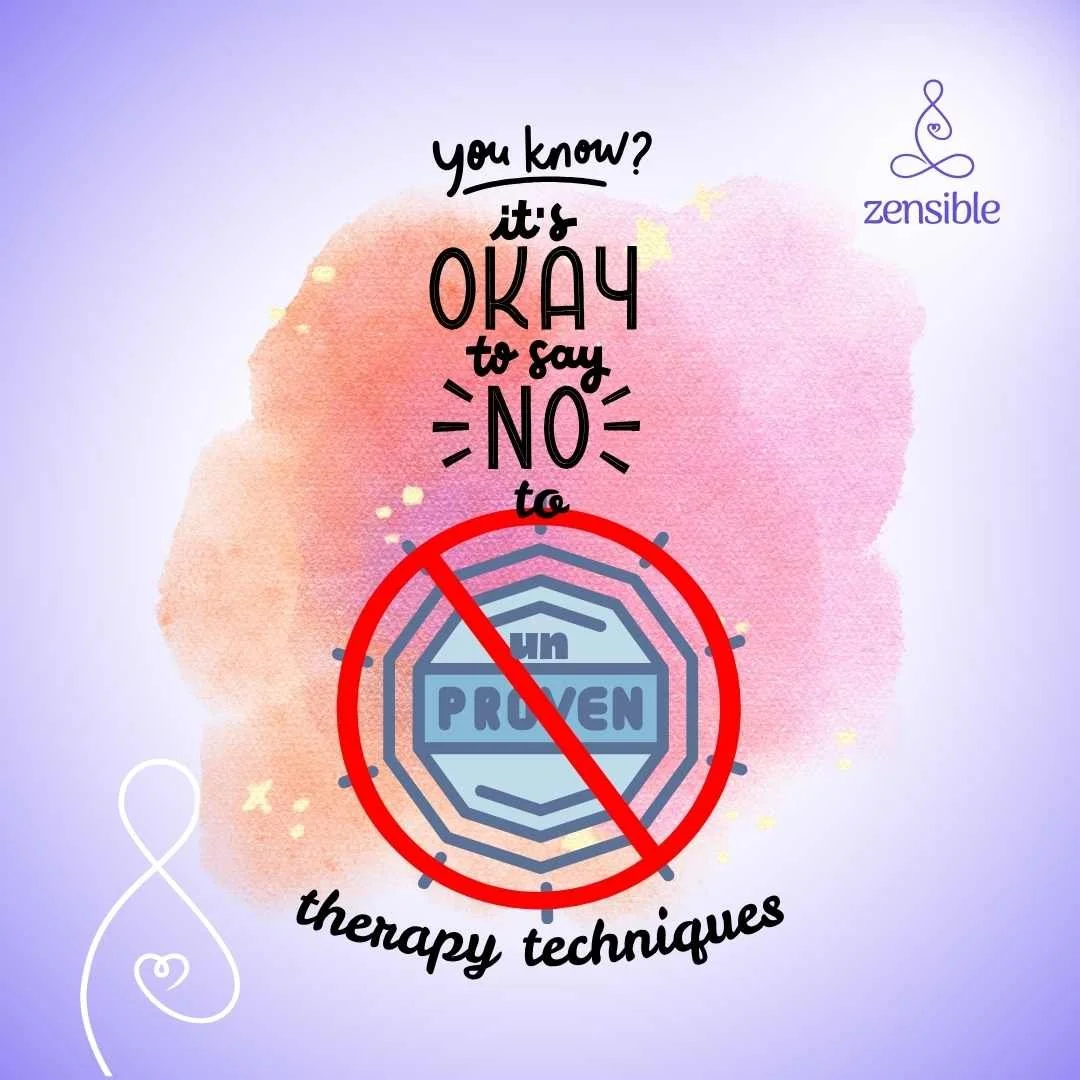
As clients, it is vital to ask questions. It is always okay to ask a potential therapist, "What is the scientific evidence base for this approach?" As mental health professionals, the responsibility is on us to bridge the scientist-practitioner gap. We must hold ourselves accountable to the data, continuously questioning our methods, and ensuring we aren't being swept up in the latest Instagram therapy trend.
At Zensible, we are building tools that champion this kind of accountable, evidence-based care. By streamlining admin and enabling features like symptom trend tracking, we help therapists focus on delivering real, measurable progress, proving that while therapy might not be an "instant delivery," the lasting results are undeniably worth the work.
Want to know more about how to improve therapy outcomes in an evidence based way? Read our whitepaper.
Also, read more about Ethical Issues in Indian Mental Health Practice.