
“Do therapists ever want to turn it off ?”
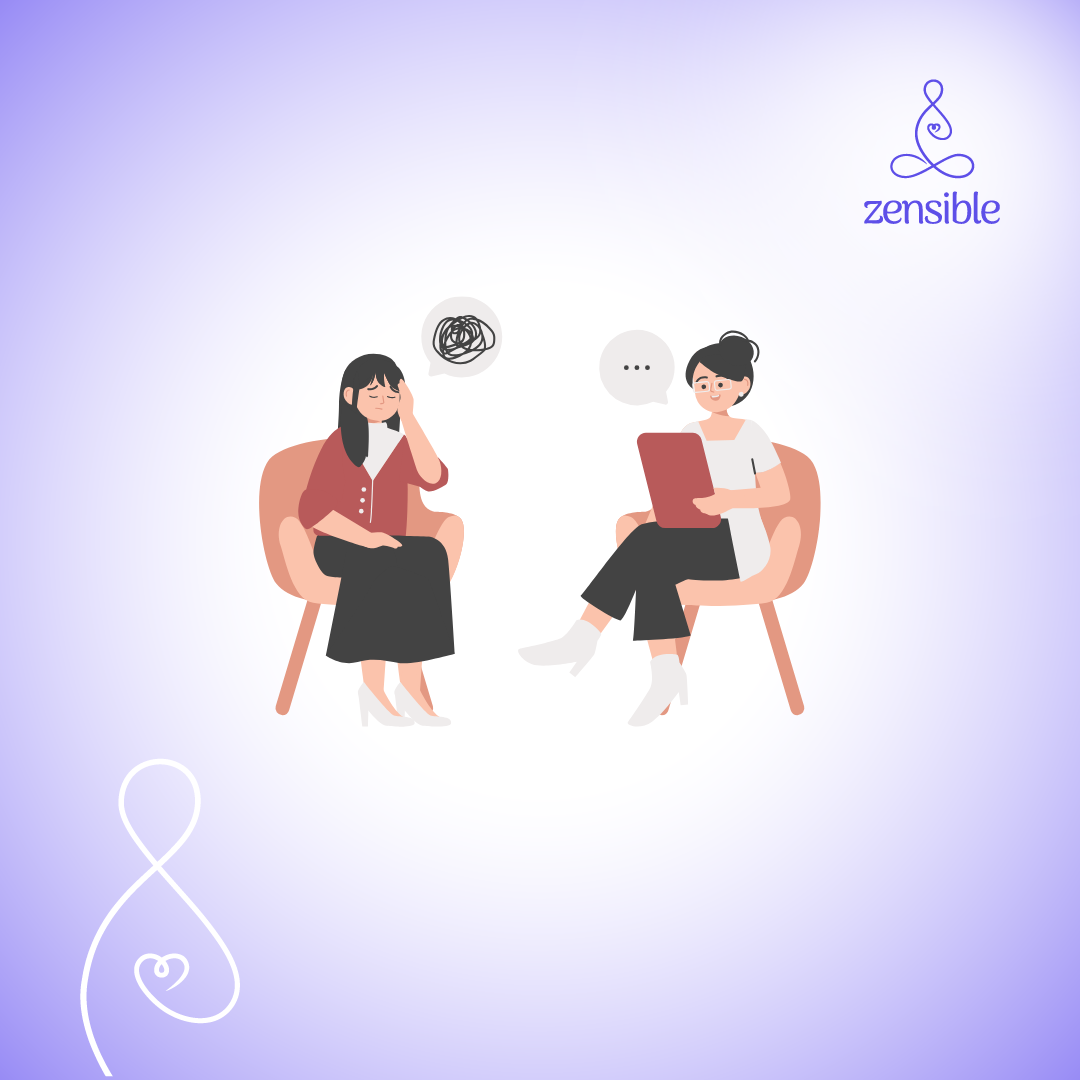
On that note, this topic was more of a rhetorical question, and something to think about from time to time. I often see everyone…or almost everyone around me…putting us, as trainees and therapists, on a pedestal and expecting us to be "on guard" at all times. While I personally love mental health, support everyone who chooses to go to therapy, and believe it can be a way of life, we are humans too. As much as I wish for all of us to succeed in our professions, I don't think we should become our professions. Instead, they should simply be a part of our lives. So, this blog post may seem like a rant, a safe space to explore something new or different, and maybe even a place to share some secrets (nothing too serious, lol 😅) from us trainees and some psychologists I have interacted with. And if you're someone outside this profession, brace yourself! Therapy and mental health can seem safe, beautiful, and sometimes heavy from the outside, but there's more to it than that. ✨ And to those reading this who are from the profession, I hear you…I really do. This is my way of paying tribute to this profession, respecting it, while also talking about the real stuff.
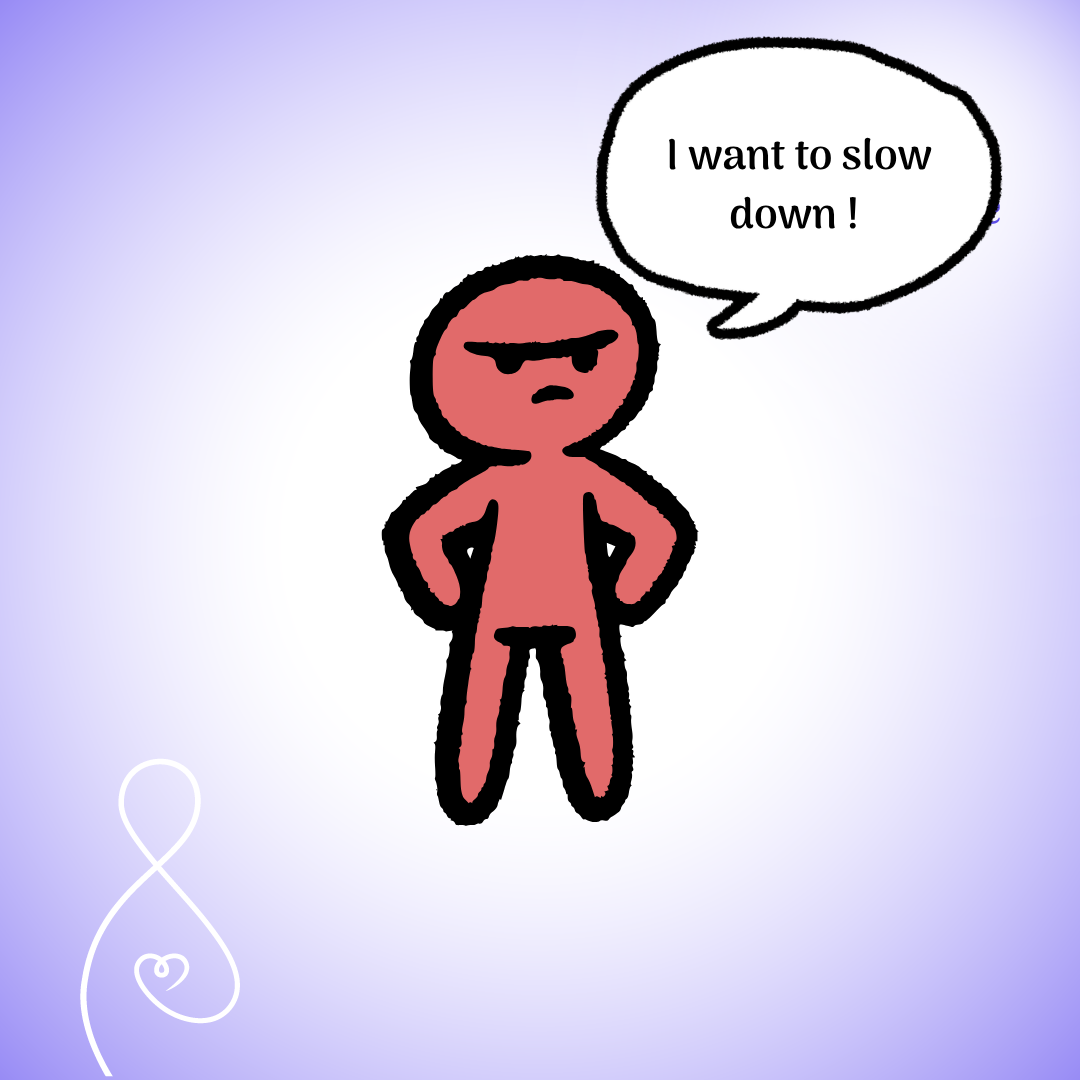
As trainee / working therapists, we know a lot of theories, interventions, and "how to talk." While all of that knowledge is valuable, sometimes knowing too much can also lead to cognitive overload…or "information paralysis." But let's say you're at a family gathering or hanging out with close friends. We're obviously not looking to socialise about our work there either 😭🤚. Instead, we're trying to have a good time. So yes, therapists may want to "turn it off" in situations like these. Because guess what? We don't want to assess your attachment styles 24/7 or predict why your current relationship isn't working out.
And it's not just social gatherings. There's often this quiet expectation that therapists always have the right answers… that we walk in with a solution ready and a calm expression permanently fixed on our faces. But therapy isn't a magic wand, and neither are therapists. Before getting to the "helping" or "interventions" part, we like to get to know you as a person, not just as a client. Because your narrative matters to us too. And while so much of our work is about showing up for others, we have bad days too. Days when we don't want to be "the therapist" …we just want to be human. Tired, overwhelmed, and maybe a little bit of a mess. So maybe the question isn't really whether therapists want to turn it off. Maybe the real question is… are therapists even allowed to?

And then there's the idea that therapists have an "empathy switch" that's permanently turned on. That we're always ready to listen, validate, and respond in the most therapeutic way possible. But sometimes, after a long day, we don't want to carefully unpack every emotion or read between every line. Sometimes we want to laugh at a meme, complain about traffic, or talk about absolutely nothing important. And that's okay.
Maybe "turning it off" isn't about losing empathy. Maybe it's about allowing ourselves to engage with the world without feeling responsible for emotionally holding every conversation we walk into.So yes…are we allowed to switch off? This post may have seemed like a rant to some of you, but it's something many of us in the profession have felt and few of us have said out loud. Therapists and trainees, I hope I did you some justice. I'd love to hear your thoughts! And until the next one…take care, you lovely human beans. 🌱
