Why Therapists Are Turning to AI Note-Taking (And How to Use It Ethically)
Therapy is deeply human work. Documentation, however, often feels anything but...
Across private practices in India, therapists regularly navigate varying caseloads, emotionally demanding sessions, and limited administrative support. As a result, session notes are often brief, delayed, or, at times, skipped altogether.
While this is understandable, inconsistent documentation can affect continuity of care, clinical reflection, and therapist wellbeing. This is why many therapists are now exploring AI note-taking tools, not to replace clinical judgment, but to support it responsibly.

The Reality in Indian Therapy Practice: Notes Are Often Minimal or Missing
Unlike highly standardised healthcare systems, therapy documentation in India varies widely. Many therapists rely on memory, rough bullet points, or post-hoc summaries written long after sessions end. Over time, this can lead to:
Missed patterns across sessions
Reduced recall accuracy
Increased mental load between appointments
Greater risk during supervision, referrals, or ethical reviews
AI-supported documentation tools like Zensible help bridge this gap by ensuring sessions are captured consistently, even when therapists are time-constrained, while still keeping therapists fully in control of what gets saved.
Documentation Burden and Therapist Burnout
Research consistently shows that clinicians, who are particular about this notes, spend 15–30% of their working hours on documentation and administrative tasks. For therapists, this work often happens after emotionally intense sessions, when cognitive energy is already depleted.
This contributes to:
Burnout and compassion fatigue
Delayed or incomplete notes
Reduced presence across sessions
Zensible addresses this by generating editable draft summaries immediately after sessions, allowing therapists to refine notes quickly instead of starting from scratch, supporting sustainability without compromising care.
Ethical AI Note-Taking: What Actually Matters
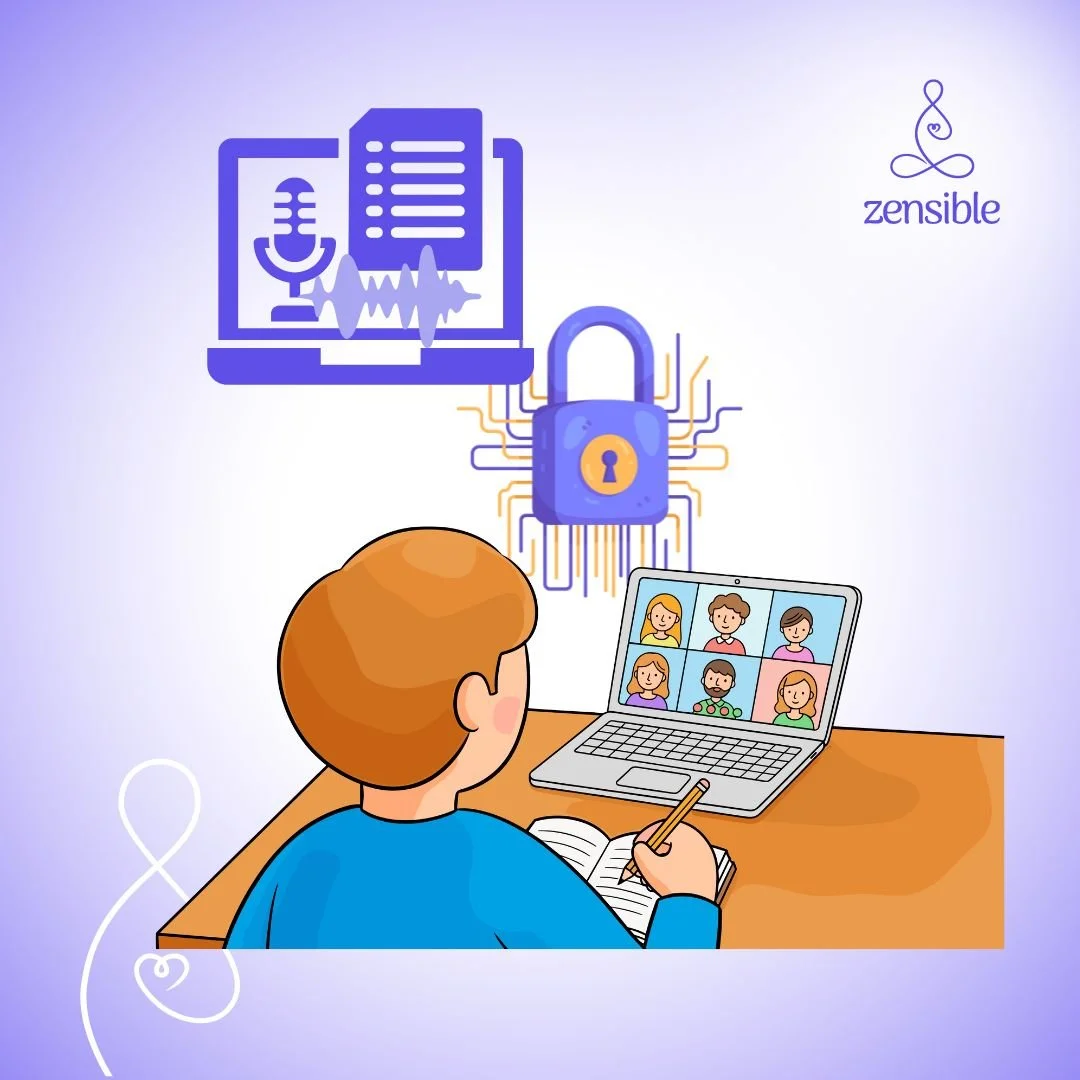
Guidance from healthcare and telehealth research makes one thing clear: AI in therapy must be supportive, not intrusive. Ethical AI note-taking depends on a few non-negotiables:
Explicit client consent
Strong data security and privacy safeguards
Therapist control over all final documentation
No AI-client interaction
No reuse of identifiable client data
Zensible aligns with these principles by operating as a therapist-side assistant only, drafting notes that therapists can edit, discard, or expand, while protecting client privacy throughout the process.
AI Note-Taking Across Therapy Modalities
Across individual therapy, couples work, child and adolescent sessions, career counselling, and expressive modalities such as art or dance therapy, AI note-taking can support therapists by capturing session context without disrupting presence. Whether tracking long-term themes, complex relational dynamics, play-based observations, non-verbal expression, or structured goal-setting, tools like Zensible help consolidate insights across sessions, while still allowing therapists to add modality-specific observations in their own clinical language.
How (and When) to Introduce Auto Note-Taking to Clients
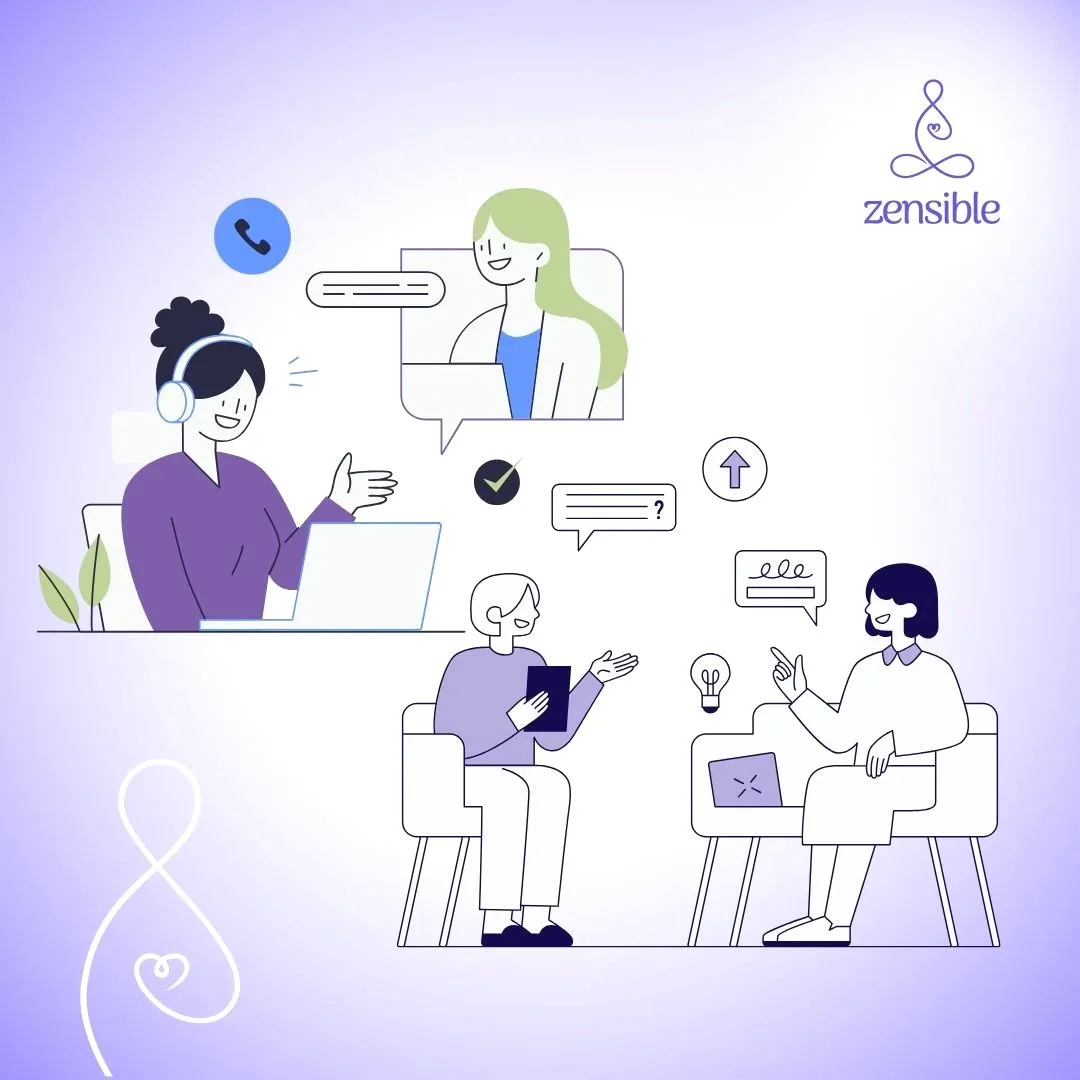
How AI note-taking is introduced matters just as much as the tool itself.
Therapists should always explain the use of auto note-taking before the session begins, not during it. This is especially critical in online therapy, where the sudden appearance of a recording indicator or “note taker” can feel intrusive or unsettling for clients. Introducing it upfront gives clients the space to ask questions, understand what is recorded (and what is not), and provide informed consent without pressure.
In in-person sessions, early transparency helps normalise the process and reinforces trust. Zensible supports this ethical approach by ensuring that recording and transcription only occur with consent, can be turned off at any time, and never interfere with the therapeutic flow.
Better Notes Support Better Between-Session Care
Clients often remember only a fraction of what is discussed in therapy, especially when sessions are emotionally charged. This can affect homework adherence, skill practice, and continuity between sessions.
By allowing therapists to share clear, therapist-approved summaries, focus areas, and activities, Zensible helps clients stay engaged between sessions without overwhelming them. This improves follow-through while keeping boundaries intact.
AI Note-Taking Isn’t About Doing More, it’s About Losing Less
Used ethically, AI note-taking doesn’t mechanise therapy. It prevents:
Lost insights
Forgotten interventions
Incomplete clinical records
Therapist burnout
For therapists in India managing diverse modalities and growing caseloads, tools like Zensible make it easier to ensure that good therapeutic work is also well documented, without adding to the invisible workload.
The future of therapy isn’t automated, it’s supported, ethical, and therapist-led.