
At Zensible’s blogs, we have always tried to provide our readers with tips, hacks, and new information that they can follow…often highlighting trends within the field. But this time, we’re doing something a little different. For the first time, we’re bringing you
“Tech / AI hacks that therapists should probably not follow.”
If you happen to be using any of them right now, consider this your sign to pause and rethink them. At the end of the day, no matter how many new trends emerge in the mental health space, maintaining our professional integrity as therapists should always come first.
1 Apps Without HIPAA or DPDP Compliance
This might be a point that we’ve mentioned a thousand times before (yes, it might sound a little boring…but it’s important!). Regardless of the country you’re practicing in, these laws ensure that your client’s healthcare information is protected. They also exist to safeguard both you and your client by setting clear legal standards, so that neither of you faces issues in the future. So, my little therapist bestie, you might want to double-check whether the apps or websites you’re currently using are compliant with these regulations.
2 Chatbots / AI For Diagnosis
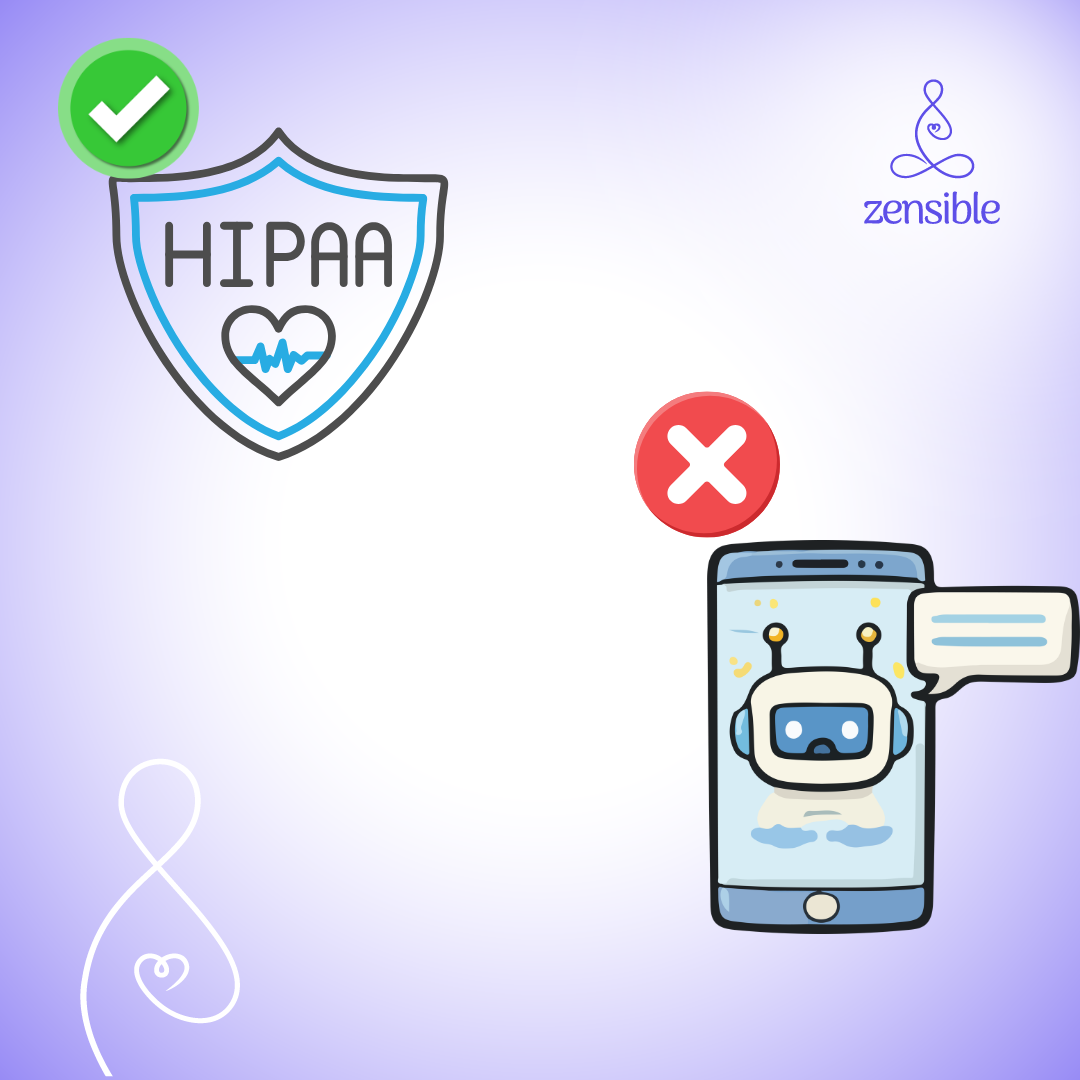
This should be a big NO! Chatbots can be helpful for initial interactions with clients, but they should never be used to diagnose or screen clients for serious mental health conditions. Diagnosis is nuanced and goes beyond just a symptom checklist. That responsibility belongs to you as a trained professional… You bring in nuanced and holistic expertise, so don’t let technology take your place. Instead, use tech where it actually helps you: taking therapy notes, managing administrative work, scheduling, etc. This way, tech supports your work without replacing you.
3 Sharing Client History Online
This might not per se be a “hack,” but I personally feel like it can cross into violating your client’s boundaries. There is a very thin line between sharing information with your supervisors while under their guidance and sharing client stories online in social media or blogs (even if they are anonymous). If you are sharing, the stories should include multiple clients’ histories together anonymously, so that it is not possible to pinpoint one. Your client’s wins are meant for them…and for you as their therapist…not for the world to see.
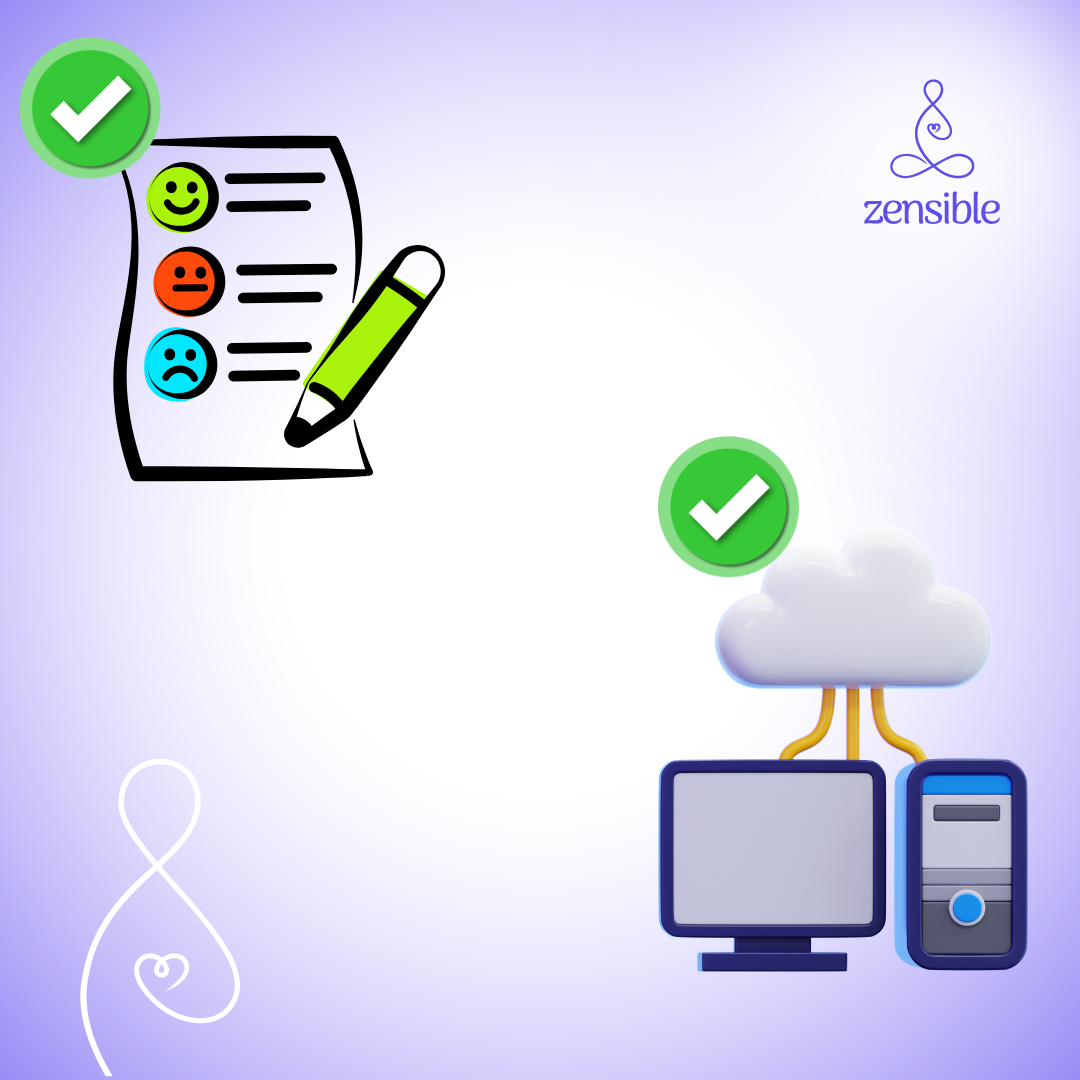
4 Basic Storage for Client Details
While Google Drive is widely used for both personal and professional work, it can still pose risks…such as hacking or losing access to your account or email. Instead, consider using platforms specifically designed to store client information securely and maintain confidentiality, such as Zensible. Make sure to use strong passwords and stay alert to any potential security threats or vulnerabilities.
And that’s it for this week’s blog post! I hope you had a great time reading it and found it helpful…especially for therapists currently in practice. Until the next one, take care… you lovely human beans.
