
How can therapists take notes without disrupting rapport ?
Building rapport, earning trust, showing empathy, tuning in, reading body language…the list of micro skills every therapist juggles seems endless. Yet, when it comes to note-taking, that is where the real magic of connection begins.
With attentive listening and thoughtful notes, therapists can truly understand their clients and craft interventions that make a lasting difference. Of course, there is a balancing act: staying attuned to the client’s emotions, not scribbling too much, offering genuine empathy, and maybe resisting the urge to yawn.
It is a lot for anyone, especially therapists! But do not worry, we have your back. If you are ready to focus on just one thing for a change, read on…
Better note-making tips for Offline / In-person sessions
📌 Starting with theSOAP method (Subjective, Objective, Assessment, Plan) is a powerful tool for noting things down quickly and efficiently…while staying fully present with your clients.
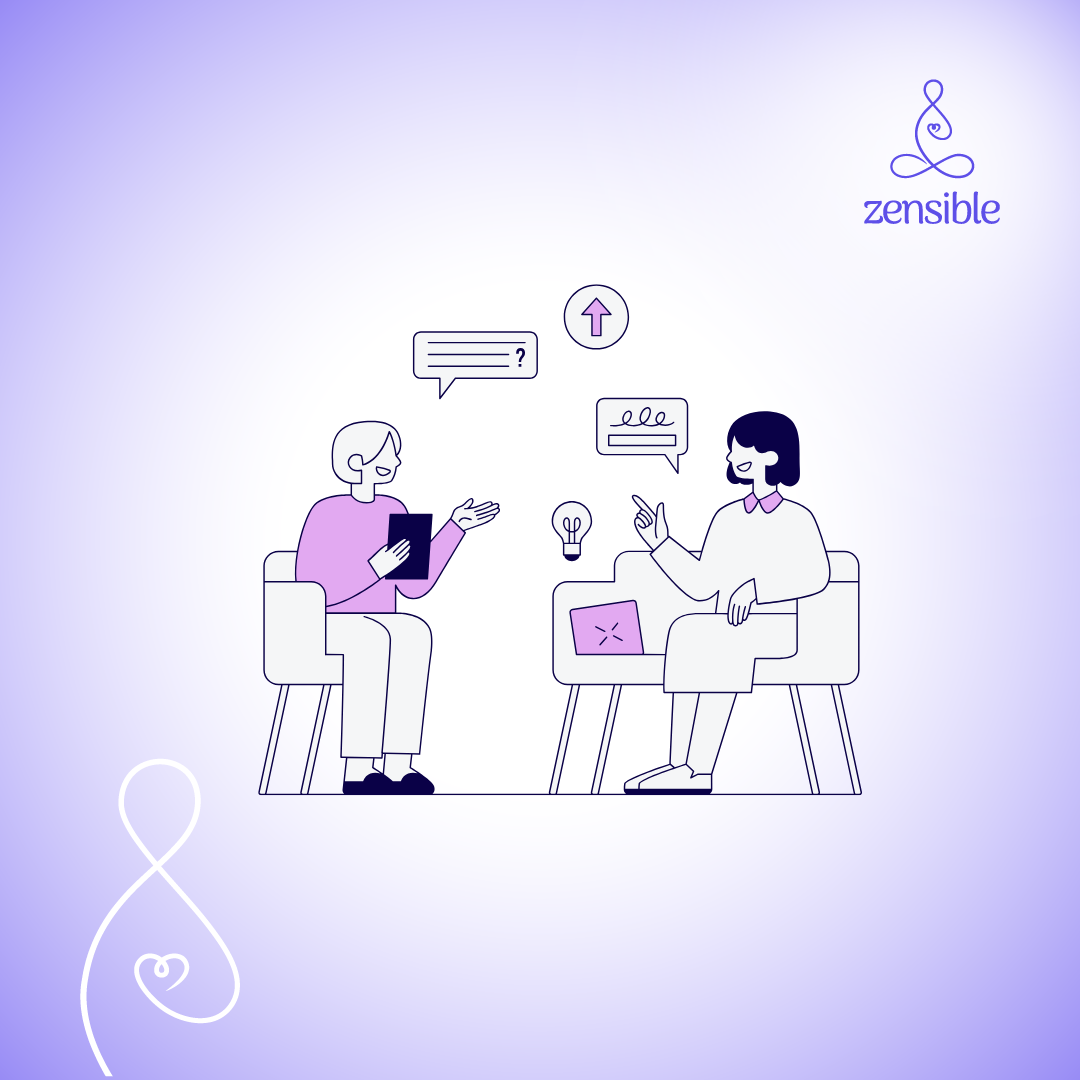
📌 Keep your notes short and factual. A helpful tip is to treat the session like a conversation, not an interview. The key here is to jot down only the repeated words, phrases, or shortened versions of your client’s presenting concerns. Sometimes, as therapists, we need to set our knowledge aside and simply listen.
📌 If time and the client permit, you can take physical notes or use recording tools like Zensible to stay focused without missing details. Zensible records sessions and highlights key concerns, and makes you as a therapist be fully present in the session… but before that, always ensure you have your client’s informed consent first.
📌 Always clarify and summarise the session at the beginning, middle, and end. This reassures your client that you’re truly listening… and also gives you extra time to jot down important points.
Better note-making tips for Online sessions
🖥️ Using a split screen on your device is one of the best ways to go ahead. In this way, you can kind of multi-task with your client. On one hand, you would be listening to your client, and on the other you would be typing down all the important pointers they mention.

🖥️ Keep a small notepad beside you, but avoid constantly looking at it during the session. It can be challenging, but remember… your client wants to feel heard more than they want their problems written down.
🖥️ Always pause the client when you feel lost. It may feel awkward at first, but it’s better to clarify and listen wholeheartedly than to pretend you understand. In online sessions especially, this is completely normal and encouraged.
🖥️ To make both your personal and professional life a little easier, you might want to explore Zensible too. Sign up, get familiar with the tool, take your client’s informed consent, and experience how it can support you with session recordings and other helpful features.
As we come to the end of this blog post, I hope you’ve taken away something helpful. I want to leave you with a gentle reminder to all therapists and future therapists out there: it’s okay to make mistakes and to still be in your learning phase. Until the next post, take care, you lovely human beans 💛.
